


Why do my steps become slippery in the Winter season in the UK

Have you noticed your steps turning slippery as soon as winter arrives in the UK? It’s not just your imagination—and it can be more dangerous than you think.
When ice and frost take over your doorstep, every step becomes a risk. But why does this happen, and what can you do to keep your home safe? Keep reading to learn why steps can be slippery in winter. You'll also find easy ways to keep yourself and your loved ones safe.
Your safety starts here.

Causes of Slippery Steps
Steps get slippery in winter all over the UK. This happens because of various natural and environmental factors. Understanding these causes helps protect yourself and others from falls and injuries. Slippery steps arise from weather changes combined with outdoor conditions. Common causes include ice, wet leaves, and biological growth like moss. Each factor creates hazards by reducing grip and increasing the chance of slipping.
Ice Formation and Frost
Ice and frost are the primary reasons for slippery steps during winter. When temperatures drop below freezing, water on the steps turns into ice. This ice can be transparent and hard to see, making steps dangerous without warning.
Common causes of ice and frost on steps include:
Freezing rain or sleet
Condensation that freezes overnight
Snow melting and refreezing
Ice forms most often in shaded areas or spots sheltered from wind. These places stay colder longer, allowing ice to persist. Frost creates a thin, slippery layer of ice crystals on step surfaces. This layer reduces traction and can cause slips.
Condition | Effect on Steps | Visibility |
Clear Ice | Very slippery, hard to detect | Low |
Frost | Thin layer, reduces grip | Medium |
Snow | Slippery, may hide ice underneath | High |
Steps made of smooth materials, like concrete or stone, get very slick when icy. Salt or grit helps melt ice but may not always remove frost. Always check steps carefully during cold weather to avoid slips.
Wet Leaves And Debris
Wet leaves and debris create another slippery surface on steps in winter. Leaves fall from trees and collect on outdoor steps. When wet, they form a slick, sometimes slimy layer.
Reasons why wet leaves cause slipperiness:
Leaves trap moisture and reduce friction
Decomposing leaves release natural oils, making surfaces slick
Leaves cover step edges, hiding potential trip hazards
Debris such as small twigs, dirt, and mud mixed with leaves increases risk. Rain and melting snow keep leaves wet for longer periods in winter. Steps near trees or gardens are most affected. Regular sweeping and clearing prevent build-up.
Here is a quick checklist for managing wet leaves on steps:
Sweep steps daily in autumn and winter.
Use a stiff broom or leaf blower for removal.
Clear gutters to prevent overflow onto steps.
Consider anti-slip mats if leaf fall is heavy.
Moss and Algae Growth
Moss and algae thrive on steps that stay damp and shaded. These plants grow well in winter due to the moisture and low sunlight. Their presence creates a soft but very slippery surface.
Why moss and algae make steps slippery:
They produce a slimy coating that reduces grip.
They hold moisture, keeping steps wet longer.
They can cover cracks and uneven surfaces, hiding hazards.
Steps made from porous materials, like stone or brick, are prone to moss growth. Algae often appears green and slimy, while moss looks fuzzy and green. Both need moisture and shade to grow, common in UK winters.
Prevent moss and algae by:
Improving drainage around steps
Trimming overhanging plants to increase sunlight
Cleaning steps regularly with a stiff brush
Using moss and algae removal products safely
Ignoring moss and algae can lead to worsening slipperiness and damage to step surfaces over time. Regular care keeps steps safe and looking good.
Weather Impact In The UK
In the UK, winter weather strongly affects the safety of outdoor surfaces like steps. Many people ask, "Why do my steps become slippery in winter?" The answer lies in the unique climate and weather patterns. Wet, cold, and icy conditions create perfect settings for slippery steps. Knowing how the weather affects the UK shows why conditions can be risky. It also helps us learn ways to stay safe.

Frequent Rain and Moisture
The UK has a reputation for frequent rain, especially in autumn and winter months. This constant moisture keeps the steps wet for long periods. Wet steps become slick and lose traction easily. Dirt and leaves can mix with water, creating a slimy layer that makes surfaces even more slippery.
Common effects of rain and moisture on steps include:
Water pooling on flat or uneven surfaces
Moss and algae growth in damp areas
Accumulation of mud and debris
Here is a simple table showing how moisture affects different step materials:
Material | Effect of Moisture | Slip Risk |
Concrete | Absorbs water, surface stays damp | High |
Wood | Becomes slick and may grow moss | High |
Stone | Water sits in pores, slippery when wet | Medium |
Steps that are shaded or covered tend to stay damp longer. These areas need extra attention to prevent slips.
Temperature Fluctuations
The UK winter brings frequent changes in temperature, sometimes within the same day. These fluctuations cause water on steps to freeze and thaw repeatedly. This cycle damages step surfaces and increases slipperiness.
Effects of temperature changes include:
Water freezes overnight, forming ice patches
Daytime thaw creates wet, slippery surfaces
Repeated freeze-thaw causes cracks and roughness
Freeze-thaw cycles also affect different materials in various ways:
Concrete can crack, creating uneven surfaces
Wood may swell and warp, making the footing unstable
Metal becomes very cold and icy
These changes make steps unpredictable and dangerous. Even small ice patches can cause serious slips.
Snow and Freezing Conditions
Snow is common in some UK regions during winter. Snow covers steps and hides hazards like cracks or debris. When snow melts, it creates a layer of water that quickly freezes into ice. This ice is often very smooth and very slippery.
Key problems caused by snow and freezing conditions:
Hidden ice under fresh snow
Compact snow turning to black ice
Ice build-up on handrails and edges
Snow and ice create a double risk. They reduce grip and make it hard to judge safe footing. Many people underestimate how slippery snow-covered steps can be.
Simple tips to reduce slipperiness in snow and ice:
Clear snow regularly
Use grit or salt to melt ice
Wear shoes with good tread
Surface Types and Risks
Winter in the UK brings cold temperatures and moisture that make outdoor steps slippery. The type of surface your steps have affects how much risk there is. Some materials get icy or wet faster. Others hold water or snow, creating slippery spots. Knowing the surface types and their risks helps you stay safe in winter.
Concrete and Stone Steps
Concrete and stone are common materials for outdoor steps. These surfaces can become very slippery in winter because of ice and frost buildup.
Porosity: Concrete and some stones absorb water. This water freezes and creates slick patches.
Texture: Smooth stone steps freeze faster and are more slippery than rough ones.
Temperature: Stone and concrete stay cold longer, so ice melts slowly.
Concrete and stone steps need extra attention in winter. Clearing snow and applying salt helps prevent slips. Rough surfaces offer better grip but still get slippery. Always watch for moss and algae, which make steps slick even without ice.
Wooden Steps
Wooden steps look nice but become very slippery in cold weather. Wood absorbs moisture easily, causing ice to form quickly.
Moisture Absorption: Wood soaks up rain and snow, then freezes.
Moss and Algae: These grow on wood, especially in damp places, making steps slick.
Wear and Tear: Old wood cracks and becomes uneven, increasing trip hazards.
Wooden steps need special care in winter:
Keep steps dry by sweeping off snow and leaves.
Use anti-slip strips or paint designed for wood.
Check for moss and clean regularly.
Apply wood sealant to reduce water absorption.
Wood’s natural warmth helps melt ice a little faster than stone. Still, frozen wood is slippery and risky. Avoid walking on wooden steps with ice. The risk of falling is high.
Metal Steps
Metal steps often appear on fire escapes or industrial buildings. They react differently to winter weather than wood or stone.
Cold Conductor: Metal gets very cold and ice forms quickly.
Smooth Surface: Metal can be very smooth, making ice even more slippery.
Drainage: Metal steps usually have gaps or holes that let water drain.
Metal steps have pros and cons in winter:
Feature | Effect on Slip Risk | Winter Care Tips |
Cold Surface | High ice buildup risk | Use salt or de-icer; wear suitable footwear |
Drainage Holes | Reduces water pooling | Keep holes clear of debris |
Anti-Slip Coatings | Improves grip | Apply textured paint or strips |
Metal steps freeze fast but drain water well. Ice still forms on the surface and can cause falls. Anti-slip features are important for metal stairs. Proper footwear adds extra safety.
Preventive Measures
Winter brings cold, wet weather that makes outdoor steps slippery and unsafe. Ice, frost, and wet leaves create slick surfaces that cause slips and falls. Taking preventive measures helps keep your steps safe for walking. Simple actions can reduce slipperiness and protect your family and visitors. Here are key steps to prevent slippery stairs during the UK winter months.
Regular Cleaning
Keeping steps clean is the first defense against slipperiness. Dirt, leaves, moss, and algae build up and hold moisture, making surfaces slippery. Remove debris often to keep steps dry and safe.
Sweep steps daily: Use a stiff broom to clear leaves and dirt.
Wash steps weekly: Use water and mild detergent to remove grime and algae.
Check for moss or algae: These grow quickly in damp winter and make steps slick.
Use a stiff brush to scrub moss and algae off stone or concrete steps. Avoid using harsh chemicals that could harm plants or animals. Rinse steps with clean water after scrubbing.
Applying anti-slip Treatments
Anti-slip treatments improve grip on steps and reduce falls. These products create rough surfaces or increase friction, making steps safer in wet or icy conditions. Choose treatments based on your step material and weather conditions.
Common anti-slip options include:
Anti-slip paint: Adds a rough texture to wooden or concrete steps.
Grip tape: Adhesive strips with a gritty surface, easy to apply.
Anti-slip coatings: Clear liquids that dry with a non-slip finish.
Apply treatments during dry weather for best adhesion. Follow the product instructions carefully. Some treatments last for months, others may need reapplication after heavy rain or wear. Test a small area first to ensure no damage or discoloration.
Treatment Type | Best For | Duration |
Anti-slip paint | Wood, concrete | 6-12 months |
Grip tape | Metal, wood, tiles | 3-6 months |
Anti-slip coatings | Concrete, stone | 6-9 months |
Using Salt and Grit
Salt and grit help prevent ice from forming on steps and improve traction. Salt melts ice by lowering the freezing point of water. Grit adds roughness to slippery surfaces, giving shoes better grip.
Use salt and grit properly to keep steps safe:
Apply salt before ice forms: Spread salt when temperatures drop below freezing to stop ice build-up.
Use grit after salt: Add grit to provide traction on icy or wet steps.
Clear excess salt: Salt can damage plants and concrete if left too long. Remove or rinse when ice melts.
Common materials include:
Rock salt or sodium chloride for melting ice.
Sand or fine gravel for added traction.
Special winter grit mixes designed for UK weather.
Keep a small container near your door with salt and grit for quick use. Always wear gloves when handling salt to protect your skin.
Safe Practices During Winter
Winter in the UK brings cold temperatures, rain, frost, and sometimes ice. These conditions make outdoor steps slippery and dangerous. Taking safe practices during winter helps prevent falls and injuries. Simple actions can keep your steps safe and secure throughout the cold months.
Proper Footwear Choices
Choosing the right footwear is essential for walking safely on slippery steps. Shoes with good grip reduce the risk of slipping. Look for boots or shoes with non-slip soles made of rubber or special tread patterns. Avoid smooth soles or worn-out shoes that lose traction.
Here are some tips for proper footwear during winter:
Wear boots with deep treads for better grip.
Choose waterproof shoes to keep your feet dry.
Consider slip-on ice grips or traction cleats for extra safety.
Replace shoes if soles become smooth or worn out.
Always check the soles before stepping outside in winter. Proper footwear reduces slips and gives confidence on icy steps.
Installing Handrails
Handrails provide essential support on slippery steps. They offer a steady grip to prevent falls. Installing handrails on both sides of outdoor stairs is a strong safety measure. They help people keep balance, especially children and elderly.
Here are key points for installing handrails:
Use sturdy materials like metal or treated wood.
Ensure handrails are securely fixed to the wall or ground.
Position handrails at a comfortable height, about 90-100 cm from the steps.
Check handrails regularly for damage or loosening.
Handrails should have a smooth surface for easy gripping. Rounded edges prevent hand injuries. If possible, add a textured grip tape for extra hold during wet or icy weather.
Proper handrails can reduce accidents by providing a reliable support point. They give confidence to step safely even in harsh winter conditions.
Lighting and Visibility
Good lighting improves visibility on steps at night or in foggy weather. Properly lit steps help spot ice patches or wet areas. Poor lighting increases fall risk on slippery surfaces.
Consider these lighting tips for safer winter steps:
Install bright LED lights near steps and entrances.
Use motion sensor lights to save energy and light only when needed.
Place lights to avoid shadows or glare on steps.
Keep light fixtures clean and free from snow or dirt.
Well-lit steps help people walk safely. Visibility reduces slips and helps spot hazards early. Regular checks and maintenance keep lights working all winter.
Reach out to our team for support or inquiries about
Why Do My Steps Become Slippery in the Winter season in the UK
Winter can make steps really slippery because ice and frost build up. Water freezes on the surface, making it smooth and tricky to walk on. Sprinkling salt or sand and clearing snow quickly helps keep everyone safe.
At Elite Asphalt Services, we make sure your steps stay safe and secure all winter. If you want peace of mind and safer walks, get in touch with us today!
All You Need to Know
Why Do My Steps Become Slippery in the Winter season in the UK?
Steps get slippery in winter due to ice, frost, and moisture buildup. Low temperatures cause water to freeze, creating hazardous surfaces. Snow and salt residues also contribute to slipperiness, increasing fall risks on outdoor steps.
How Does Frost Make Steps Slippery?
Frost forms a thin ice layer on steps when moisture freezes overnight. This ice is often invisible and reduces traction. It creates a slick surface that increases the chance of slipping and falling on outdoor steps.
Can Salt Prevent Slippery Steps In Winter?
Yes, spreading salt melts ice and frost on steps. Salt lowers water's freezing point, preventing ice formation. It improves safety by reducing slipperiness on outdoor surfaces in winter conditions.
Why Is Moisture A Problem For Winter Steps?
Moisture freezes quickly in cold temperatures, turning into ice on steps. This ice layer is hard to see and makes steps dangerously slippery. Managing moisture helps maintain safe and stable walking surfaces in winter.
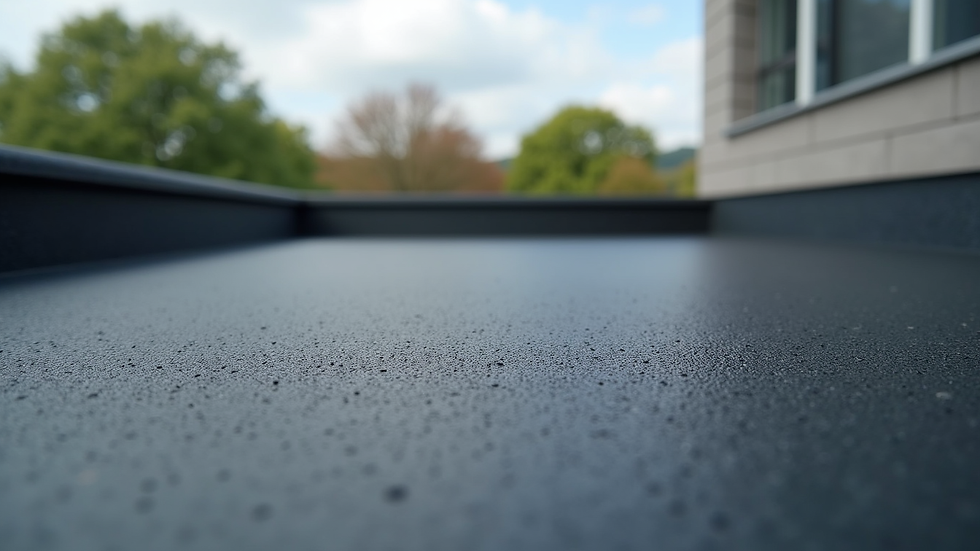

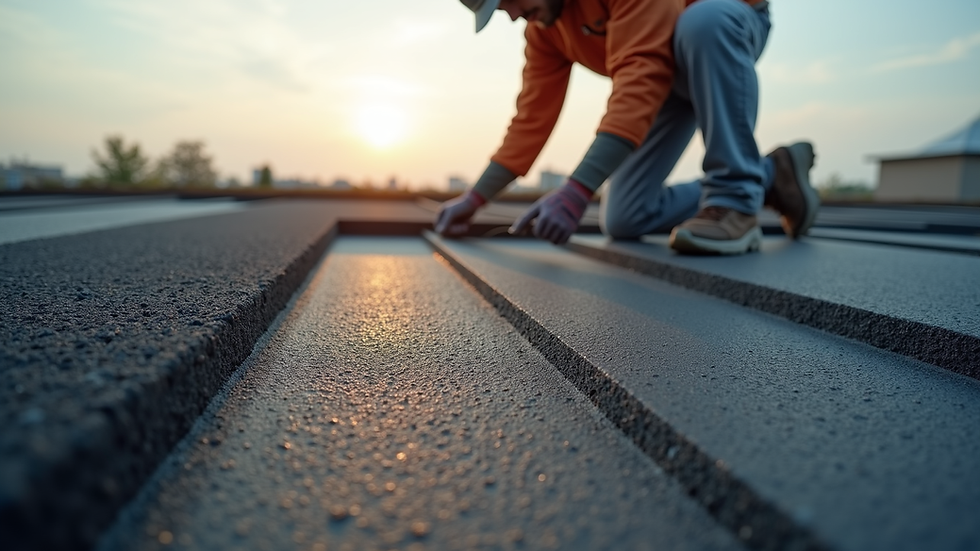
Asphalt balcony waterproofing is a reliable option for flats and apartments in the UK, offering excellent protection against water damage and leaks. Its durability and weather-resistant properties make it particularly suitable for the UK's wet climate, ensuring long-lasting performance. Asphalt creates a seamless, watertight layer that prevents water from seeping through, which is essential for https://asic.gov.au/ maintaining the structural integrity of balconies. It’s also low-maintenance and can handle temperature changes without cracking, making it a practical and safe choice for multi-story buildings. For anyone looking to safeguard their balcony spaces, asphalt waterproofing is definitely worth considering.
When ice and frost cover your doorstep, every step turns into a potential hazard. This happens because moisture freezes into a slick layer, reducing traction and making surfaces dangerously slippery. But don’t worry—there are simple ways to keep your home safe, like using salt or sand for https://www.classification.gov.au/titles/blackjack-classic-2 grip, clearing pathways regularly, and investing in slip-resistant mats. Interestingly, navigating icy steps is a bit like the experience on platforms where every move requires careful thought and strategy to avoid missteps and ensure a smooth journey.