


Mastic Asphalt vs Felt Roofing Features: What You Need to Know

Choosing the right roofing material for your flat roof is crucial. It affects durability, maintenance, and overall cost. Two popular options are mastic asphalt and felt roofing. Both have their strengths and weaknesses. I want to help you understand these better so you can make an informed decision.
Understanding Asphalt vs Felt Roofing Features
When comparing asphalt vs felt roofing features, it’s important to look at how each material performs in key areas like waterproofing, lifespan, installation, and maintenance.
Mastic asphalt is a solid, durable material made from bitumen mixed with sand and limestone. It’s heated and applied hot, then cools to form a hard, waterproof surface. This makes it excellent for flat roofs that need to withstand heavy foot traffic or harsh weather.
Felt roofing, on the other hand, is made from layers of bitumen-saturated felt sheets. These sheets are laid down in overlapping layers and sealed with bitumen or adhesives. Felt is flexible and easier to install, but it may not last as long as mastic asphalt.
Here’s a quick breakdown of their features:
Waterproofing: Both materials provide good waterproofing, but mastic asphalt forms a seamless, hard surface that is less prone to leaks.
Durability: Mastic asphalt can last 30-50 years with proper care. Felt roofing typically lasts 10-20 years.
Installation: Felt is quicker and cheaper to install. Mastic asphalt requires skilled professionals and takes longer.
Maintenance: Felt needs more regular inspections and repairs. Mastic asphalt is low maintenance.
Cost: Felt roofing is generally more affordable upfront. Mastic asphalt has a higher initial cost but can save money over time due to its longevity.

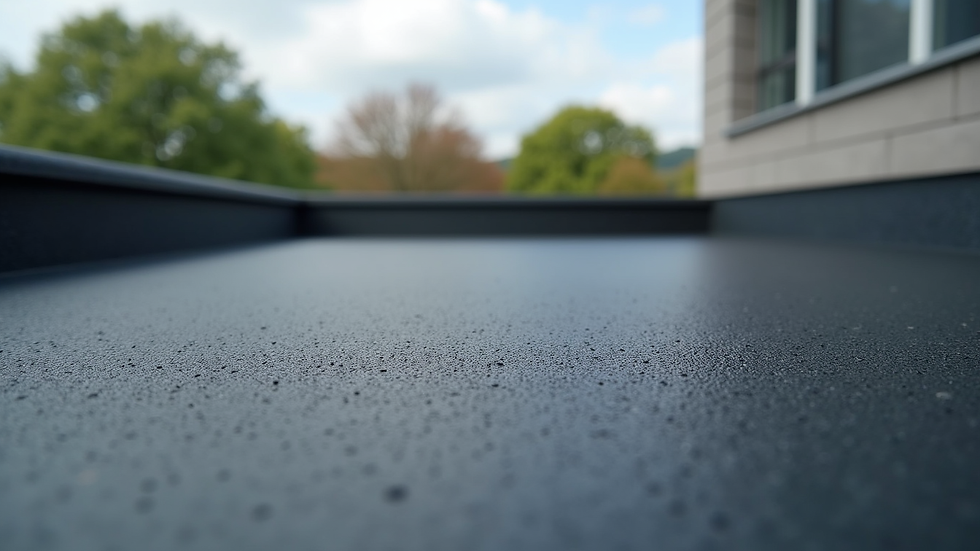
Close-up view of mastic asphalt flat roof surface showing texture and finish
What is the Best Material for a Flat Roof in the UK?
In the UK, flat roofs face unique challenges. Rain, wind, and temperature changes can cause damage over time. So, choosing the best material means balancing weather resistance, cost, and lifespan.
Mastic asphalt is often considered the best choice for flat roofs in the UK. Its waterproofing ability and durability make it ideal for the wet climate. It can handle heavy rain without leaking and resists damage from frost and UV rays.
Felt roofing is still popular, especially for smaller projects or where budget is tight. It’s flexible and easy to repair, which can be useful for temporary fixes or less exposed roofs.
If you want a long-term solution, mastic asphalt is worth the investment. It may cost more upfront, but it reduces the risk of leaks and repairs later on. For short-term or budget-conscious projects, felt roofing can be a practical option.
Installation Process and Practical Tips
Installing mastic asphalt and felt roofing requires different approaches. Knowing what to expect can help you plan better.
Mastic Asphalt Installation:
The roof surface must be clean, dry, and primed.
Mastic asphalt is heated to a liquid state and poured or trowelled onto the roof.
It’s spread evenly and allowed to cool and harden.
Skilled professionals are essential to ensure a smooth, even finish without cracks.
Installation can take several days depending on roof size.
Felt Roofing Installation:
The roof deck is cleaned and primed.
Felt sheets are rolled out and overlapped.
Bitumen or adhesive is applied to seal the layers.
Heat welding or torching may be used for extra bonding.
Installation is faster and can often be completed in a day or two.
Practical Tips:
Always hire experienced contractors for mastic asphalt to avoid costly mistakes.
For felt roofing, regular inspections are key to spotting damage early.
Consider the roof’s use - if it will see foot traffic, mastic asphalt is better.
Check local building regulations and warranties before deciding.

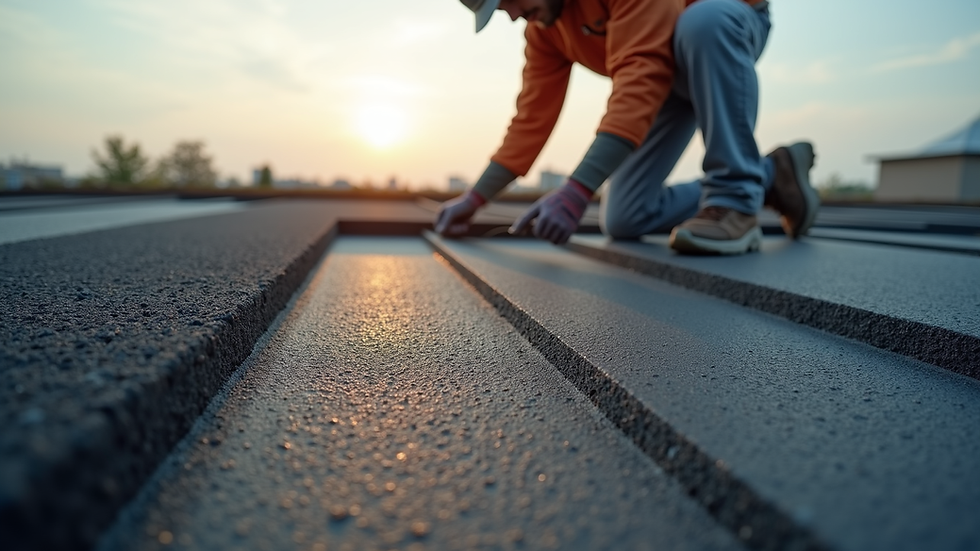
High angle view of felt roofing installation showing overlapping sheets and adhesive application
Maintenance and Longevity: What to Expect
Maintenance needs differ significantly between these two materials.
Mastic Asphalt:
Requires minimal maintenance.
Occasional inspections to check for cracks or damage.
Repairs are rare but should be done promptly to prevent water ingress.
Can last 30-50 years, making it a cost-effective long-term choice.
Felt Roofing:
Needs regular inspections, especially after storms or heavy rain.
Vulnerable to tears, blisters, and punctures.
Repairs are more frequent and easier to perform.
Lifespan is shorter, usually 10-20 years, so replacement may be needed sooner.
Regular maintenance is essential for both materials to extend their life. Cleaning debris, checking seals, and fixing minor issues early can save money and prevent bigger problems.
Making the Right Choice for Your Roof
Choosing between mastic asphalt and felt roofing depends on your priorities. If you want a durable, long-lasting roof with excellent waterproofing, mastic asphalt is the way to go. It’s ideal for roofs that need to handle heavy use and harsh weather.
If budget and quick installation are more important, felt roofing offers a flexible and affordable solution. It’s suitable for smaller roofs or where you plan to replace the roof sooner.
Remember, the decision also depends on your roof’s structure, local climate, and how you use the space. Consulting with roofing professionals can help you weigh the options and find the best fit.
For those interested in a detailed comparison, you can explore more about mastic asphalt vs felt roofing to understand which material suits your needs best.
Final Thoughts on Asphalt vs Felt Roofing Features
Both mastic asphalt and felt roofing have their place in flat roof construction. Mastic asphalt stands out for its strength, longevity, and waterproofing. Felt roofing is valued for its ease of installation and cost-effectiveness.
By understanding the features, installation, and maintenance of each, you can make a smart choice that protects your property and fits your budget. Take your time, ask questions, and choose the material that will keep your roof safe and dry for years to come.

Comments