


Why do balconies leak more in the Winter in the UK?


Have you noticed water dripping from your balcony when winter hits? You’re not alone.
Many homeowners in the UK face this frustrating problem every cold season. But why do balconies leak more in winter, and what can you do to stop it? Understanding the reasons behind these leaks can save you time, money, and stress.
Keep reading to discover the surprising causes and simple solutions that protect your home when the weather turns harsh.
Winter Weather Effects
Balconies in the UK tend to leak more during winter due to harsh weather conditions. The cold months bring a mix of heavy rain, frost, and fluctuating temperatures. These factors put extra pressure on balcony surfaces and structures. Winter weather impacts balconies, which is why leaks rise during this season. Below, we explore the main winter weather effects that cause more balcony leaks.

Increased Rainfall and Moisture
Winter in the UK is known for its heavy and frequent rain showers. This rise in rainfall means balconies get exposed to more water than usual. Water can seep through small cracks and gaps in balcony surfaces, leading to leaks inside buildings.
Key points about rainfall and moisture effects on balconies:
Long periods of rain saturate balcony materials.
Pooled water increases pressure on waterproof layers.
Moisture can penetrate weak points in seals or joints.
Continuous dampness promotes material wear and decay.
The table below shows typical winter rainfall compared to other seasons in the UK:
Season | Average Rainfall (mm) |
Winter~ | 90 - 130 |
Spring | 50 - 80 |
Summer | 40 - 70 |
Autumn | 60 - 100 |
With winter rainfall nearly double that of summer, balconies face a constant challenge. Moisture trapped in porous materials like concrete or wood worsens leaks. Water can also freeze inside cracks, causing damage over time.

Freezing And Thawing Cycles
In winter, UK temperatures can fall below freezing at night but rise above zero during the day. This cycle of freezing and thawing stresses balcony surfaces and can cause leaks.
How freezing and thawing harm balconies:
Water seeps into small cracks or joints during warmer hours.
At night, water freezes and expands, pushing cracks wider.
Repeated expansion and contraction weaken balcony materials.
Eventually, gaps form that allow more water to enter.
Concrete, stone, and tile are common balcony materials affected by these cycles. Even waterproof membranes can get damaged by constant movement. The table below summarises the damage process:
Step | Effect on Balcony |
Water penetration | Water enters cracks and joints |
Freezing | Water expands, widening cracks |
Thawing | Water drains, but cracks remain larger |
Repeat cycles | Material weakens, leaks develop |
These cycles repeat many times during winter, accelerating damage. This explains why balconies leak more during colder months. Proper maintenance and waterproofing reduce this risk but cannot drop it completely.
Construction Materials and Design
Balconies in the UK often face more leaking issues during the winter months. The cold, wet weather exposes problems in the construction materials and design. Understanding these factors helps explain why water seeps through more easily in winter. The materials used and how the balcony is built affect its ability to resist moisture and cold.

Common Balcony Materials
Balconies use various materials, each with different strengths and weaknesses against winter weather. Common materials include:
Concrete: Durable but can crack in freezing temperatures.
Wood: Attractive but absorbs water and can rot if not sealed.
Metal: Strong but prone to rust if protective coatings fail.
Composite materials: Designed to resist water but vary in quality.
Concrete balconies are popular in the UK due to their strength. They resist heavy loads but can develop small cracks. Water enters these cracks and freezes, causing more damage. Wood balconies need regular maintenance to stay waterproof. Without treatment, water soaks in and causes decay.
Metal balconies often have a protective layer like paint or powder coating. In winter, this layer can wear off, allowing rust to form. Rust weakens the structure and creates gaps for water to enter. Composite materials claim to be weather-resistant, but cheaper versions may still leak.
Material | Winter Weakness | Maintenance Needed |
Concrete | Cracking and water penetration | Seal cracks, waterproof coating |
Wood | Water absorption, rotting | Regular sealing, painting |
Metal | Rust and corrosion | Repainting, rust treatment |
Composite | Variable water resistance | Check quality, repairs |
Thermal Expansion and Contraction
Winter temperatures cause materials to shrink, while warmer days make them expand. This cycle is called thermal expansion and contraction. It creates stress on balcony surfaces and joints. Over time, small gaps and cracks appear. These openings let water seep inside.
Concrete and metal expand and contract at different rates. This difference can break seals and joints where materials meet. Wood also swells with moisture and shrinks when dry. These changes weaken the balcony’s waterproof barriers. The repeated movement worsens cracks and gaps.
Cold weather shrinks materials, creating cracks.
Sunlight warms surfaces, causing expansion.
Water enters gaps during thaw periods.
Freezing water expands and widens cracks.
The constant push and pull damages sealants used around balcony edges. Sealants become brittle and lose flexibility in cold. Once broken, they allow water infiltration. This is why balconies leak more during winter, as the materials fail to keep water out.
Drainage System Limitations
Drainage systems on balconies must remove rainwater efficiently. In winter, heavy rainfall and frozen debris can block drains. Water then pools on the surface, increasing the chance of leaks. Poorly designed drainage worsens this problem.
Many balconies have a limited slope to guide water towards drains. If the angle is too flat, water collects instead of flowing away. Frozen leaves, dirt, and ice can clog drainage holes. Blocked drains cause standing water to soak into cracks.
Drainage system issues include:
Shallow slopes that stop water flow.
Small or few drain holes that clog easily.
Drain covers that trap debris.
Lack of regular cleaning and maintenance.
Standing water freezes overnight, expanding and damaging surfaces. This cycle repeats, making leaks worse. Proper design uses a strong slope and enough drain holes. Regular cleaning prevents blockages and improves water flow.
Common Leak Sources
Balconies in the UK often leak more during winter due to several common sources. Cold weather, rain, and frost put extra pressure on balcony surfaces and structures. Finding these common leak sources helps explain how water gets inside. Problems usually start with small faults that get worse with winter weather. These leaks can damage the building and cause discomfort inside homes. The main sources of leaks are cracks and gaps, faulty seals and joints, and blocked drains and gutters.

Cracks and Gaps
Cracks and gaps in balconies are a major reason for leaks in winter. Water can easily enter through these openings and cause damage. Cold temperatures make materials shrink and expand, which widens cracks over time. Small cracks that seem harmless can let in a lot of water during heavy rain or frost.
Concrete cracks: Concrete can develop cracks due to temperature changes or wear and tear.
Wood gaps: Wooden balcony parts shrink in cold weather, creating gaps.
Wall joints: Gaps between the balcony and wall allow water to seep inside.
Some cracks are visible, but others hide under paint or tiles. Regular checks help find these problems early. Use this simple table to spot common crack types and their effects:
Crack Type | Cause | Effect |
Hairline Cracks | Drying and shrinkage | Water seepage and surface damage |
Structural Cracks | Foundation movement | Serious leaks and structural risk |
Expansion Gaps | Thermal movement | Water entry and material decay |
Faulty Seals And Joints
Seals and joints on balconies protect against water entry. When these seals fail, water leaks inside easily. Winter weather makes seals brittle and cracks them. Poor or old seals lose their flexibility and stop working well.
Seals are found around:
Balcony doors and windows
Tile edges and corners
Balcony railing bases
Faulty joints can also cause leaks. Joints between balcony slabs or panels may open due to weather or movement. Water gets trapped and causes damage over time.
Signs of faulty seals and joints:
Visible cracks or gaps in sealant
Water stains inside the building
Mould or damp patches near balcony edges
Repairing or replacing seals before winter stops leaks early. Use weatherproof sealants designed for cold climates. Proper sealing helps keep the balcony waterproof and warm inside.

Blocked Drains and Gutters
Blocked drains and gutters are a common cause of balcony leaks in winter. Rain and melting frost increase water flow, which blocked drains cannot handle. Water pools on the balcony surface and seeps into cracks and joints.
Leaves, dirt, and debris often clog drains and gutters. This stops water from draining away quickly. Standing water freezes in cold weather, causing cracks and damage.
Common issues caused by blockages:
Water pooling on the balcony floor
Overflowing gutters spilling water inside walls
Ice formation that worsens cracks
Regular cleaning of drains and gutters before winter helps prevent leaks. Check for:
Debris build-up
Damaged or loose gutter parts
Slow drainage during rain
Proper drainage keeps water away from weak points and reduces the chance of leaks during harsh weather.

Maintenance Challenges in the Winter.
Balconies in the UK tend to leak more during the winter months due to several factors. One key reason is the difficulty of maintaining and repairing them in cold weather. Maintenance challenges in winter often prevent timely inspections and repairs. This allows small issues to worsen, leading to leaks. Understanding these challenges explains why balcony leaks rise in winter.
Reduced Inspection and Repair Opportunities
Winter weather limits the chances to inspect and fix balcony problems. Shorter daylight hours and frequent rain make it hard for workers to spot damage early. Wet conditions also make surfaces slippery and unsafe, slowing down repair work.
Less daylight: Fewer hours of sunlight reduce inspection time.
Rain and snow: Wet surfaces hide cracks and cause delays.
Safety concerns: Slippery balconies increase accident risks.
Building managers may delay repairs until spring. This means small cracks or blocked drains stay untreated. Water collects and seeps inside, causing leaks.
Winter Factor | Effect on Balcony Maintenance |
Reduced daylight | Less time for inspection and repairs |
Wet and icy surfaces | Unsafe conditions for workers |
Cold and damp weather | Delays in repair work |
Access restrictions | Harder to reach balconies safely |
Delays lead to bigger problems. Small leaks grow and cause damage inside the building. Regular inspections in milder weather help prevent this, but winter reduces these opportunities.

Impact Of Cold Temperatures On Repairs
Cold temperatures in winter affect repair materials and methods. Some materials, like sealants and paints, do not work well in low temperatures. They may fail to stick properly or take longer to dry.
Workers face difficulties too. Cold weather slows down manual tasks and reduces efficiency.
Sealant issues: Many sealants require temperatures above 5°C to cure properly.
Paint drying: Paint and coatings take longer to dry in cold, damp air.
Material brittleness: Cold makes some materials fragile and prone to cracking.
Worker discomfort: Cold affects concentration and speed of repairs.
Repair teams often wait for warmer days or mild spells to do effective work. This causes further delays, letting leaks worsen during winter.
Preventive Measures
Balconies in the UK often leak more during winter due to cold, wet weather and poor maintenance. Taking preventive measures can stop water damage and keep balconies safe and dry. Simple actions can protect your balcony from leaks and costly repairs. Focus on cleaning, waterproofing, and drainage to reduce winter problems.

Regular Cleaning and Inspection
Keeping the balcony clean is the first step to prevent leaks. Dirt, leaves, and debris can block drains and trap water. Frozen debris can crack surfaces and cause leaks. Regular cleaning removes these risks.
Clear leaves and dirt from the balcony floor and corners.
Check drains and gutters for blockages.
Inspect the balcony surface for cracks or damaged tiles.
Look for signs of water stains or mold on walls.
Perform these checks at least once a month during autumn and winter. Early detection of damage saves money and effort.
Task | Frequency | Purpose |
Remove debris | Weekly | Prevent water blockages |
Inspect surface | Monthly | Find cracks or damage |
Check drains | Monthly | Ensure water flows freely |
Regular inspection helps catch small problems before they become leaks. Use a flashlight to check dark corners and under railings.
Improving Waterproofing
Waterproofing is a key defence against balcony leaks. It stops water from seeping through cracks and joints. Many balconies lose their waterproof layer over time. Renewing this layer before winter is vital.
Common waterproofing methods include:
Applying waterproof membranes: These flexible sheets create a strong barrier.
Using liquid waterproof coatings: Paint-on coatings fill small cracks and protect surfaces.
Sealing joints and edges: Use silicone or polyurethane sealants to close gaps.

Choose waterproof materials designed for outdoor use and cold weather. Follow manufacturer instructions carefully for the best results.
Enhancing Drainage Systems
Effective drainage is essential for preventing balcony leaks in winter. Water must flow away quickly to avoid puddles and seepage. Many balconies suffer leaks due to poor drainage design or blocked outlets.
Steps to improve drainage include:
Clear existing drainage points: Remove leaves and dirt regularly.
Install additional drains: Add more outlets if water pools in certain areas.
Check slope and surface level: Ensure the balcony slopes away from the building.
Use drain covers: Prevent blockages while allowing water flow.
Good drainage reduces water standing on the surface. Standing water freezes easily and causes cracks. Improving drainage protects the balcony structure and prevents leaks.
Reach out to our team for support or inquiries about Why Do Balconies Leak More in Winter in the UK?
Winter can be tough on balconies. Cold, wet weather and frozen seals mean tiny cracks let water sneak in, and strong winds push it into weak spots. Even small gaps can turn into bigger leaks if you don’t act early.

Checking your balcony regularly is the easiest way to stay ahead of problems. A little care now can save you money and stress later, keeping your home warm and dry all year.
At Elite Asphalt Services, we make it simple. Our team can find the leaks, fix them properly, and make sure your balcony is protected for winter and beyond. Reach out to Elite Asphalt Services today and keep your balcony safe, dry, and worry-free.
All You Need to Know
Why Do Balconies Leak More During Uk Winters?
Balconies leak more in UK winters due to heavy rainfall and freezing temperatures. Water seeps through cracks and poor seals, causing leaks. Cold weather also contracts materials, worsening gaps and allowing moisture inside.
How Does Cold Weather Affect Balcony Waterproofing?
Cold weather causes materials to contract and crack, damaging waterproof layers. This creates pathways for water to enter. Repeated freeze-thaw cycles worsen leaks by expanding cracks and weakening seals on balconies.
Can Poor Balcony Design Increase Winter Leaks?
Yes, poor balcony design can worsen leaks. Insufficient drainage, low-quality materials, or inadequate waterproofing allow water accumulation. This leads to seepage during heavy winter rains and freezing conditions common in the UK.
What Maintenance Helps Prevent Winter Balcony Leaks?
Regularly check for cracks, damaged seals, and blocked drains. Clean gutters and apply waterproof coatings before winter. Prompt repairs reduce water infiltration and protect balconies from winter weather damage.
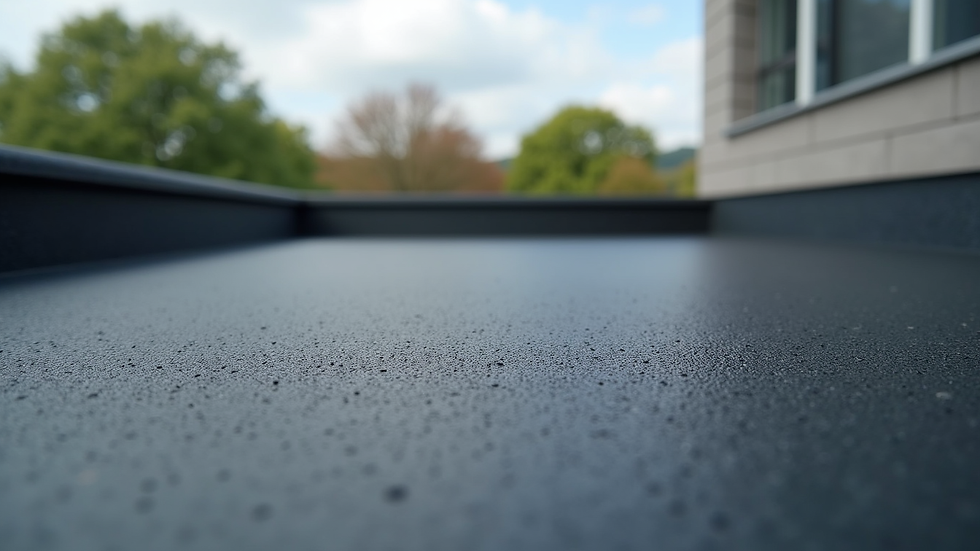


Balconies tend to leak more in the winter in the UK due to a combination of factors like heavy rainfall, freezing temperatures, and the freeze-thaw cycle. Water can seep into small cracks or gaps in the balcony surface, and when temperatures drop, it freezes and expands, causing the cracks to widen https://www.smh.com.au/ over time. This process weakens the waterproofing and allows more water to penetrate. Additionally, prolonged damp conditions and reduced sunlight in winter make it harder for surfaces to dry out, exacerbating the problem. Proper maintenance and effective waterproofing are key to preventing these issues.