


Is Asphalt Damp Proofing Suitable for Old UK Buildings?

Are you worried about damp problems in your old UK building? Moisture can cause serious damage over time, affecting both the structure and your comfort.
Have you heard about asphalt damp proofing? It’s a popular solution, but is it right for older properties? Learn how asphalt damp proofing works, its benefits, and if it’s the right fit for your historic building. Keep reading to find out how you can protect your home from damp and keep it standing strong for years to come.
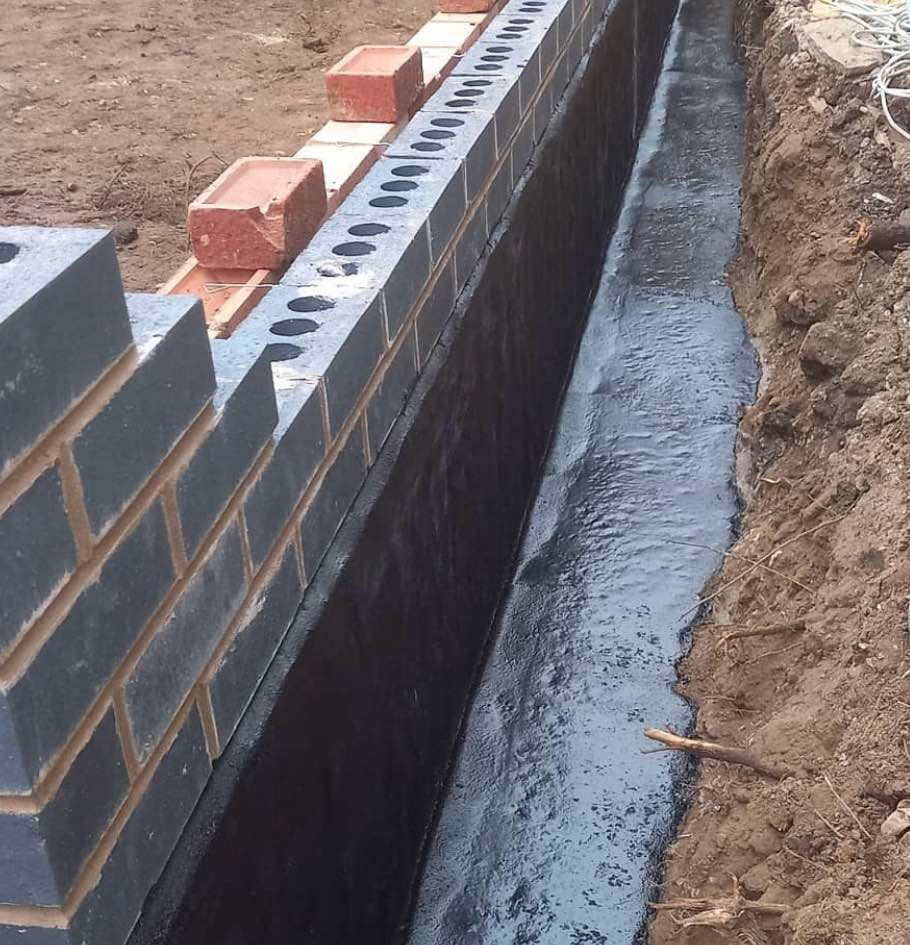
Asphalt Damp Proofing Basics
Old UK buildings often face issues with moisture entering walls. Damp can damage wood, plaster, and bricks. Asphalt damp proofing is one way to stop damp. It has been used for many years. Understanding asphalt damp proofing basics helps decide if it suits older buildings. This method creates a barrier that stops water from rising or passing through walls. It is important to know how asphalt damp proofing works and what it is exactly.
What Is Asphalt Damp Proofing
Asphalt damp proofing is a protective layer made from asphalt. Asphalt is a sticky, black material made from petroleum. It is waterproof and blocks moisture well. This layer is applied to the walls or floors of buildings to stop dampness from coming inside.
Key points about asphalt damp proofing:
Waterproof barrier: Prevents water from moving through walls.
Flexible: Can handle small movements in old buildings without cracking.
Durable: Lasts for many years if applied correctly.
Common use: Often used on foundations and basements.
The material can be applied as a thick paint or sheet form. It seals the surface and stops moisture rise. Asphalt damp proofing is a simple, cost-effective choice. It is important to check if the building’s walls are suitable for this method. Some old buildings with very soft bricks may need different solutions.

How It Works
Asphalt damp proofing works by creating a strong, waterproof layer on the surface. This layer stops water from moving through walls and floors. Water usually rises from the ground or enters through rain. Asphalt stops this water before it can cause damage.
The process includes:
Surface preparation: Walls are cleaned and dried.
Application: Asphalt is brushed, sprayed, or rolled on.
Drying: The layer hardens and sticks well.
Protection: Water cannot pass through the coated surface.
Below is a simple table showing how asphalt damp-proofing blocks moisture:
Step | Action | Result |
1 | Apply asphalt layer to wall | Creates a waterproof barrier |
2 | Water tries to move through wall | Blocked by asphalt layer |
3 | Moisture cannot enter inside | Walls stay dry and protected |
This system works well for old buildings because asphalt is flexible. It can move slightly without breaking. This helps keep the barrier strong even if the building shifts or settles. Proper application is important to avoid gaps where water can enter. Overall, asphalt damp proofing is a trusted method to keep old UK buildings dry.
Challenges In Old UK Buildings
Old UK buildings often face problems with dampness. These structures were built many years ago using different methods. Over time, moisture can damage walls and floors. Damp proofing helps stop this damage. Asphalt damp proofing is one method used. It's key to know if this method works for old buildings and their special challenges. Many factors affect how damp proofing works in these buildings.
Common Damp Issues
Old buildings in the UK often have damp problems because of age and weather. Moisture can enter through walls, floors, or roofs. This causes damage inside and outside the house. Some common signs of damp are:
Peeling paint on walls and ceilings
Musty smells in rooms or basements
Black or green mould on walls
Cold and damp walls that feel wet
Crumbled plaster or damaged wallpaper
These signs show that moisture is a problem. Damp can come from different sources:
Source of Damp | Description |
Rising Damp | Water rises from the ground through walls |
Penetrating Damp | Water enters through damaged roofs or walls |
Condensation | Moisture builds up inside due to poor ventilation |
Fixing damp is important to keep buildings safe and healthy. Old buildings need special care because their structure can be weak.
Building Materials And Structures
Old UK buildings use materials that are different from modern ones. Common materials include:
Stone walls
Brick walls with lime mortar
Timber frames
Plaster made from natural materials
These materials absorb water in different ways. For example, lime mortar lets walls breathe. This helps moisture leave the building slowly.
Some structures have deep foundations and thick walls. These features affect how damp proofing works.
Using asphalt damp proofing may block breathability. This can trap moisture inside walls. Trapped moisture causes more damage over time. Choosing the right method depends on the materials and structure of the building.
Suitability Of Asphalt For Old Buildings
Asphalt damp proofing is a common method to stop moisture in buildings. Old UK buildings have unique features and materials. Their walls and foundations differ from modern ones. Choosing the right damp proofing helps keep these buildings safe. Asphalt is one option used to protect old buildings from damp problems. Understanding how well asphalt works with old materials is key. This guide explores how well asphalt works for old UK buildings and how it helps stop damp.

Compatibility With Traditional Materials
Old UK buildings often use materials like stone, brick, and lime mortar. These materials need care because they breathe and let moisture pass. Asphalt is a thick, waterproof layer. It blocks water but also stops walls from breathing. This can cause trapped moisture inside the walls. That may damage old materials over time.
Points to consider for compatibility:
Breathability: Asphalt stops air and moisture flow.
Material reaction: Some old mortars may crack or weaken.
Flexibility: Asphalt can be stiff and may crack with building movement.
Here is a simple comparison of common old materials and asphalt:
Material | Breathable? | Asphalt Impact |
Lime Mortar | Yes | May trap moisture and weaken mortar |
Stone | Yes | Risk of moisture build-up behind asphalt |
Brick | Partly | Can suffer damp damage if airflow stops |
Choosing asphalt needs care in old buildings. It may suit some parts but not all. Experts often suggest testing or using breathable alternatives.
Effectiveness In Damp Prevention
Asphalt acts as a strong barrier against water. It stops water from moving through walls and foundations. This can reduce damp problems like rising damp or water leaks. The thick layer blocks moisture well.
Key benefits of asphalt for damp prevention include:
Waterproofing: Blocks water entry effectively.
Durability: Lasts many years without damage.
Easy application: Can cover large areas quickly.
Despite these benefits, asphalt has limits. It cannot fix damp if the root cause is inside the building. For example, poor drainage or broken gutters need repair. Also, asphalt may not help if walls have trapped moisture already.
Proper surface preparation is important. Cracks and old materials need cleaning before applying asphalt. This ensures strong adhesion and better damp protection.
Alternative Damp Proofing Methods
Many old UK buildings face issues with damp walls and floors. Asphalt damp proofing is common but not always best for these buildings. Old buildings often use materials like stone and lime that need gentle care. Asphalt can trap moisture inside walls, causing damage over time. Better methods help protect these homes, keeping them healthy and strong. Picking the right damp proofing method keeps old buildings safe and dry. It also protects their structure.
Lime-based Treatments
Lime-based treatments use natural materials that allow walls to breathe. This helps moisture escape instead of trapping it inside. These treatments suit old buildings because they work well with traditional materials like stone and brick.
Benefits of lime-based treatments include:
Breathable protection: Allows damp to evaporate, preventing damage.
Compatible with old materials: Does not harm stone or lime mortar.
Long-lasting: Can last many years with proper care.
Eco-friendly: Made from natural ingredients.
Lime treatments can be applied as:
Type | Description |
Lime Wash | A thin layer of lime paint that protects and breathes. |
Lime Plaster | Thicker layer that covers walls and fills cracks. |
Lime Mortar | Used for repairing old stone or brick joints. |
These treatments reduce damp and keep walls strong. They are gentle and respect old building materials.
Modern Damp Proof Membranes
Modern damp proof membranes (DPMs) are thin sheets placed inside walls or floors. They block water from rising up or passing through walls. These membranes are made from plastic or rubber materials. They work well but need careful fitting in old buildings.
Key points about modern membranes:
Effective water barrier: Stops moisture from moving inside.
Flexible installation: Can fit under floors or inside walls.
Thin and durable: Lasts many years without damage.
Needs expert fitting: Incorrect use can cause trapped moisture.
Using modern membranes in old buildings needs care. Walls must stay able to breathe to avoid trapped moisture. Expert advice helps choose the right membrane and installation method.
Regulations And Conservation
Old buildings in the UK often need protection from moisture. Asphalt damp proofing is one option. It helps stop water from rising inside walls. This method can be good but may not always fit old buildings. These buildings have special rules to keep their look and structure safe. Understanding regulations and conservation is key before using asphalt damp proofing.

UK Heritage Guidelines
The UK has clear rules for protecting old buildings. These rules focus on keeping the building's history and look. Asphalt damp proofing must follow these guidelines to avoid damage.
Important points from UK heritage guidelines:
The materials used should not harm the building's original parts.
Any changes must keep the building's old appearance.
Waterproofing should allow the building to "breathe" to avoid trapping moisture.
Tests may be needed before applying asphalt to check its effects.
Experts often recommend using traditional methods instead of modern ones.
These guidelines help protect the old bricks, stones, and wood. Asphalt can sometimes stop walls from breathing. That can cause damage over time. So, using it carefully is very important.
Planning Permissions
Planning permission is often needed for work on old UK buildings. This permission makes sure the work fits rules and keeps the building safe.
Key facts about planning permission:
Owners must apply before starting any damp proofing work.
Local councils review if the work suits the building's style.
Permission depends on the building's listed status or location.
Using asphalt damp proofing may need extra approval.
Work without permission can lead to fines or reversal of changes.
Type of Building | Planning Permission Needed? | Notes |
Grade I or II Listed | Yes | Strict rules, must keep original look |
Conservation Area | Usually Yes | Council controls changes to protect area |
Non-listed Building | Sometimes | Depends on local council rules |
Getting permission helps avoid problems later. It also ensures the building stays strong and looks good.
Case Studies And Expert Opinions
Old UK buildings often face issues with dampness due to their age and construction style. Asphalt damp proofing stops moisture from harming walls and foundations. Its fit for old buildings depends on materials used and any damage present. Experts have studied cases where asphalt damp proofing was applied to these structures. These studies help to understand when this method works well and when it does not. Real examples and expert advice provide clear insights into its effectiveness.
Successful Applications
Asphalt damp proofing has been effective in many old UK buildings. It creates a strong barrier against moisture. Buildings with solid brick walls and stable foundations benefit most. The method blocks water from rising through the walls. Some key reasons for success include:
Proper surface preparation: Cleaning and repairing walls before application.
Correct thickness: Applying the right amount of asphalt layer.
Good drainage: Ensuring water flows away from the building base.
Use of compatible materials: Matching asphalt with old building materials.
Here is a simple table showing some successful cases:
Building Type | Damp Issue | Outcome |
18th Century Brick House | Rising damp in basement | Moisture stopped, walls dried out |
Victorian Terraced Home | Penetrating damp on ground floor | Water barrier formed, no leaks |
Georgian Cottage | Wall damp near foundation | Long-term dryness maintained |
Experts agree that correct application and maintenance are key for success. Asphalt damp proofing can be a good choice for old buildings if done carefully.
Common Pitfalls
Some old UK buildings do not respond well to asphalt damp proofing. Problems arise from poor preparation or unsuitable conditions. Common mistakes include:
Ignoring existing damage: Applying asphalt over cracked or crumbling walls.
Wrong material use: Using asphalt that does not bond with old bricks.
Insufficient drainage: Water pooling near foundations despite damp proofing.
Applying too thin a layer: Barrier fails to stop moisture.
Overlooking ventilation: Trapped moisture inside walls causes decay.
Experts warn that skipping these steps can cause failure. Careful inspection and preparation are vital before applying asphalt damp proofing to old buildings.
Reach out to our team for support or inquiries about whether asphalt damp proofing is suitable for old UK buildings.
Asphalt damp proofing is a great option for many old UK buildings. It helps stop moisture from damaging walls and floors and lasts for years. Some older homes may need a quick check before using it.
With the right care, your building stays dry and safe. Elite Asphalt Services can help you choose the best damp proofing solution. Contact us today for friendly, expert support.
All You Need to Know
Is Asphalt Damp Proofing Effective For Old UK Buildings?
Asphalt damp proofing provides a strong barrier against moisture in old UK buildings. It prevents rising damp and protects structural integrity. However, it must be applied carefully to avoid damaging historic materials. Proper assessment ensures suitability and long-lasting protection.
Can Asphalt Damp Proofing Damage Old Building Materials?
If applied incorrectly, asphalt damp proofing can harm old materials by trapping moisture or causing decay. Using compatible products and professional installation minimizes risks. Always consult heritage specialists to preserve the building’s original fabric while ensuring effective damp proofing.
How Long Does Asphalt Damp Proofing Last On Old Structures?
Asphalt damp proofing typically lasts 10-20 years on old buildings. Its durability depends on environmental conditions and maintenance. Regular inspections help detect any issues early and prolong the protective effect against moisture damage.
Is Asphalt Damp Proofing Cost-effective For Heritage Buildings?
Asphalt damp proofing is a cost-effective solution for heritage buildings when done properly. It prevents expensive repairs caused by damp-related damage. Investing in quality materials and expert application ensures long-term savings and preservation.

Comments