


Flat Roof Repair in Wet Weather London

Are you worried about your flat roof leaking in London's unpredictable wet weather? You're not alone.
Frequent rain in the city can turn small roof problems into big ones. This affects your comfort and peace of mind. But don't worry—there are solutions to keep your home dry and safe, even when the skies are grey. You'll discover practical tips and expert advice on how to tackle flat roof repairs, rain or shine.
Imagine the relief of knowing your home is protected, no matter what the weather brings. Keep reading to learn how you can safeguard your roof and enjoy a worry-free rainy season.

Challenges of Flat Roof Repair
Repairing flat roofs in London, especially during wet weather, presents unique challenges. The city's changing weather and old buildings make flat roof repairs tricky. They need special care and attention. This article examines the challenges professionals and homeowners encounter with flat roofs in these conditions.
Weather-related Complications
Rain and moisture can complicate repair efforts. Wet surfaces become slippery, increasing the risk of accidents. Moreover, waterlogged areas can hinder proper sealing, leading to ineffective repairs. This demands scheduling repairs during dry spells, which can be rare.
Material Limitations
Many roofing materials do not adhere well in wet conditions. For instance, adhesives and sealants require dry surfaces to bond effectively. Using these materials in damp weather can result in weak spots and potential leaks.
Access And Safety Concerns
Flat roofs often lack easy access. Wet weather can make them even more dangerous. Ensuring safe access is crucial. Professionals need to use specialised equipment to prevent accidents and ensure a stable work environment.
Cost Implications
Factor | Impact on Cost |
Weather Delays | Increases labour costs due to extended timelines |
Material Wastage | More materials are needed if initial attempts fail |
Long-term Solutions
Temporary fixes are common in wet weather. Yet, they are not sustainable. Investing in quality materials and expert services ensures durability. This approach saves time and money in the long run.
Environmental Concerns
Repairing roofs in wet conditions can impact the environment. Chemicals may wash away, affecting local ecosystems. Using eco-friendly products and methods can mitigate this issue.
Understanding these challenges is crucial for effective flat roof repair. Planning and using the right materials can overcome these hurdles, ensuring long-lasting solutions.
Common Issues In Wet Weather
Flat roofs are a common sight in London. Their sleek design and practicality make them a popular choice. Yet, wet weather poses unique challenges for flat roof repair. Rain can lead to various issues that demand immediate attention. Understanding these problems is crucial for effective maintenance.

Water Accumulation
Water accumulation is a major concern during wet weather. Flat roofs lack natural drainage, causing rainwater to pool. This standing water can lead to serious structural problems. Here are some common effects:
Increased weight on the roof structure.
Potential for mould and algae growth.
Risk of water seeping into the building.
Regular inspections can help spot signs of water accumulation early. Installing a proper drainage system is crucial. It ensures water flows away efficiently. Consider using these solutions:
Solution | Benefit |
Roof drains | Directs water off the roof. |
Slope adjustment | Encourages natural water flow. |
Gutters | Collects and channels rainwater away. |
Keeping the roof clean is also important. Debris can block drains, leading to water buildup.

Leakage Problems
Leakage is another critical issue in wet weather. Flat roofs are prone to leaks due to their design. Water can easily find its way through small cracks or seams. Here are signs of leakage problems:
Water stains on the ceilings.
Dripping water inside the building.
A musty smell indicates dampness.
Immediate action is necessary to prevent further damage. Regular maintenance checks can identify weak spots. Use waterproof materials during repairs. This minimises the risk of future leaks. Consider the following steps:
Inspect the roof after heavy rain.
Seal cracks and seams promptly.
Replace damaged roofing materials.
Quality repairs can extend the lifespan of a flat roof. Protecting against leaks is essential for maintaining structural integrity.

Material Damage
Wet weather can cause significant damage to roofing materials. Prolonged exposure to rain weakens surfaces. This can lead to deterioration over time. Common forms of material damage include:
Cracking and splitting of roofing materials.
Warping due to moisture absorption.
Loss of protective coatings.
Regular inspections help detect early signs of damage. Choosing durable materials for repairs is important. Consider these options:
Material | Advantage |
EPDM rubber | Resistant to water and UV rays. |
TPO membrane | Durable and energy-efficient. |
Modified bitumen | Strong and flexible. |
Routine maintenance helps preserve the roof's condition. Re-coating surfaces can restore protection. Addressing material damage promptly ensures long-term reliability.

Preparation For Repairs
Flat roof repair during wet weather in London requires meticulous preparation. The unpredictable rain and persistent dampness present unique challenges. Proper preparation ensures the repair is effective and long-lasting. This section outlines key steps for fixing flat roofs in London’s wet weather. Know the safety measures. Gather the right tools and materials. Also, check the weather forecast. These steps are crucial.
Safety Measures
Safety is paramount in flat roof repairs, especially in wet weather. Slippery surfaces increase the risk of accidents. Implementing safety precautions is essential.
Wear non-slip footwear: Ensures a better grip on wet surfaces.
Use safety harnesses: Protects against falls from heights.
Ensure proper lighting: Improves visibility in cloudy or rainy conditions.
Consider setting up a safety perimeter to keep workers and tools secure. Communicate safety protocols clearly among the team. Checking for electrical hazards is vital, as water can conduct electricity.
Safety Equipment | Purpose |
Non-slip Footwear | Improves grip |
Safety Harness | Prevents falls |
Lighting Equipment | Enhances visibility |
Tools And Materials
Choosing the right tools and materials is crucial for effective repair. Wet weather demands specific items to ensure quality work.
Waterproof sealants: Essential for sealing leaks.
Heavy-duty tarps: Protect exposed areas during repair.
Roofing nails and screws: Secure materials in place.
Ensure all tools are in good condition. Rusty tools can compromise repair quality. Prepare a checklist for materials to avoid missing essentials.
Consider using a table to organise tools and materials:
Tool/Material | Function |
Waterproof Sealant | Seals leaks |
Tarps | Protects roof |
Roofing Nails | Secures materials |
Weather Forecasting
Understanding the weather forecast is crucial for planning repairs. London's weather is notoriously unpredictable, and rain can disrupt repair schedules.
Check the weather forecast daily. Choose days with less rain for repairs. Use reliable weather apps and websites for updates.
Monitor hourly forecasts: Allows for precise planning.
Plan for sudden changes: Be prepared with contingency plans.
Check wind speeds: Strong winds can affect safety.
Weather forecasting helps in scheduling tasks efficiently. Avoid starting repairs on days with heavy rain predictions. Consider a backup plan for weather changes.
Using weather data effectively ensures timely and safe repairs.

Repair Techniques
Flat roofs in London face unique challenges, especially during wet weather. Water pooling can lead to leaks and damage. Proper repair techniques are crucial to prevent further issues. Knowing about temporary and permanent solutions is key to keeping the roof strong. This post explores effective methods to address flat roof repairs in rainy conditions.
Temporary Solutions
During wet weather, immediate repairs might be necessary to prevent further water damage. Temporary solutions can provide a quick fix until a more permanent repair is possible. Here are some common temporary methods:
Tarps and Plastic Covers: These materials can cover the affected area, preventing more water from seeping in.
Roof Patch Kits: Available in hardware stores, these kits can seal minor leaks temporarily.
Sealant Sprays: These sprays can provide a quick barrier against water.
These solutions are ideal for emergencies. They are not long-lasting but can mitigate damage until the weather improves. Always check the roof regularly to ensure these temporary fixes hold.
Permanent Fixes
Once the weather clears, addressing the root cause of the damage is crucial. Permanent fixes ensure the longevity of the roof. Consider these options:
Full Roof Replacement: Ideal for severely damaged roofs. It offers a long-term solution but involves higher costs.
Professional Repairs: Hiring experts can ensure the repair is done correctly. They can identify hidden issues.
Re-Coating: Applying a new layer of coating can protect the roof. It also enhances its durability.
Permanently fixing a roof requires professional assessment. This ensures the solution fits the specific issues of your flat roof. It's important to act quickly to prevent further deterioration.
Sealing Methods
Sealing methods are crucial for preventing water intrusion. Proper sealing can extend the life of a flat roof. Here are some effective methods:
Rubber Sealants: They offer flexibility and durability. Ideal for various weather conditions.
Bitumen-based Products: Known for their waterproofing properties. They are suitable for flat roofs.
Liquid Membranes: These provide a seamless barrier. They are effective against leaks.
Sealing should be part of regular maintenance. It is a preventive measure that can save costs in the long run. Choose a sealing method that suits your roof's material and condition.
Post-repair Maintenance
Flat roofs in London face unique challenges, especially during wet weather. After repairs are completed, attention turns to post-repair maintenance. This ensures longevity and prevents further damage. Proper care involves regular inspections, cleaning gutters, and taking preventive measures. Each step plays a crucial role in maintaining the integrity of your flat roof. Good maintenance helps you avoid expensive repairs. It also keeps your roof strong against London’s unpredictable weather.

Regular Inspections
Regular inspections are vital for maintaining a flat roof's health. Routine checks help identify minor issues before they escalate. Here are key points:
Inspect the roof at least twice a year.
Look for signs of wear and tear.
Check for cracks, blisters, or punctures.
Examine seals around skylights and vents.
During inspections, it’s important to document any findings. Take photos for records and to track changes over time. Consider hiring a professional for detailed assessments. They have the expertise to spot issues that might be overlooked.
Inspection Frequency | Key Areas to Check |
Every 6 months | Roof surface, seals, and drainage systems |
Following heavy rain | Water pooling, leaks, and structural damage |
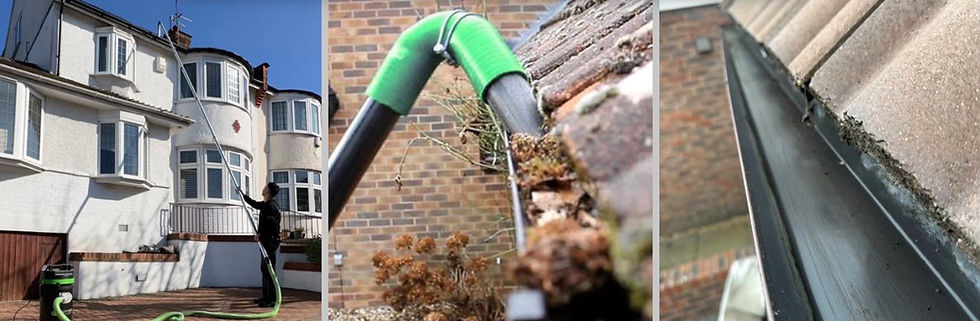
Cleaning Gutters
Gutters play a crucial role in directing rainwater away from your roof. Clogged gutters can lead to water overflow, causing damage to the roof. Here’s how to maintain them:
Clear debris regularly.
Ensure downspouts are unobstructed.
Check for leaks and rust.
Re-align any misaligned sections.
Regular cleaning prevents water damage and roof deterioration. Clogged gutters can be a major issue during wet weather, leading to water pooling on the roof. This can weaken the structure over time. Use a garden hose to flush out the gutters, ensuring a smooth water flow.
Preventive Measures
Taking preventive measures is essential for long-lasting roof health. These actions help avoid common roofing problems:
Apply waterproof sealant annually.
Install a protective roof coating.
Ensure proper insulation.
Trim nearby trees to prevent debris accumulation.
Waterproof sealants protect against leaks and moisture. Protective coatings offer an additional layer against harsh weather. Insulation helps maintain indoor temperatures and reduces energy costs. Trimming trees minimises debris, reducing gutter blockages. Implementing these measures ensures your flat roof remains durable and effective.
Choosing Professionals
Flat roofs in London face unique challenges, especially in wet weather. Repairing them takes skill, and that's where Elite Asphalt Services comes in. Choosing the right experts is key to ensuring lasting results and peace of mind. With Elite Asphalt Services , you’ll save time and avoid costly damage. Let’s dive into what to look for when picking the right roof repair specialists.

Experience And Expertise
Professional roofers with extensive experience understand London's unpredictable weather. Their expertise helps them anticipate challenges and offer effective solutions. Here’s what you should look for:
Years of experience: More experienced roofers are likely to deliver better results.
Specialised skills: Ensure they have specific skills in flat roof repair.
Insurance And Guarantees
Insurance and guarantees are vital when hiring roof repair professionals. They protect you from unforeseen circumstances and assure quality work.
Liability Insurance: Covers damages during repair.
Workmanship Guarantee: Ensures the repair lasts.
Verify their insurance coverage. Check what their guarantees include. A trustworthy professional will readily provide these details.
Make sure their policies align with your needs. This can save you from future headaches.
Cost Considerations
Budget is crucial in any repair project. Understanding cost factors helps in making informed decisions.
Material Costs: Quality materials might cost more but offer durability.
Labour Costs: Skilled labour may come at a premium.
Request detailed quotes from multiple professionals. Compare them to find the best value for your money.
Consider the long-term benefits of investing in quality repair work.
Remember, the cheapest option might not always be the best. Balance cost with quality and reliability.
Diy Tips For Homeowners
Flat roofs are common in London homes, offering a sleek, modern look. Yet, they can be challenging to maintain, especially during wet weather. Homeowners often face issues like leaks or ponding water. Tackling these problems yourself can save money and time. Here are some DIY tips to handle flat roof repairs during London's rainy months.
Basic Repair Skills
Before diving into repairs, it's crucial to have some basic skills. These skills help in handling minor issues effectively:
Identifying leaks: Spot water stains on ceilings or walls.
Cleaning gutters: Remove debris to prevent water buildup.
Sealing cracks: Use roof sealant for small cracks and holes.
A simple repair kit can be handy. Consider including items like a patching membrane, roofing sealant, and a roller. These tools are essential for minor fixes and can prevent further damage. Regular inspections can also help in spotting problems early. Create a checklist to ensure nothing is missed:
Inspection Task | Frequency |
Check for leaks | Monthly |
Clean gutters | Quarterly |
Inspect seals | Bi-annually |
Safety Precautions
Repairing a flat roof in wet weather poses risks. Prioritising safety is essential:
Wear protective gear: Gloves and non-slip shoes are a must.
Use a sturdy ladder: Ensure it is stable before climbing.
Work with a partner: Having someone nearby can be helpful.
Wet surfaces are slippery. Always test the firmness of the roof before proceeding. Use a safety harness if necessary, especially on larger roofs. Checking weather forecasts can help in planning repairs on drier days. If caught in unexpected rain, pause the work to avoid accidents.
When To Call A Professional
DIY repairs have their limits. Knowing when to call a professional can save you from potential disasters:
Persistent leaks: If leaks continue after repairs, seek expert help.
Structural damage: Visible sagging or large cracks require professional assessment.
Extensive repairs: Large areas of damage may be beyond DIY scope.
Professionals bring expertise and specialised tools. They can offer solutions that last longer. Costs may be higher, but weigh them against potential damage from inadequate repairs. Consider calling a professional for an annual roof inspection. This can prevent small issues from becoming costly problems. Here's a quick guide on when to reach out:
Issue | DIY or Professional |
Minor leaks | DIY |
Major leaks | Professional |
Structural concerns | Professional |
Reach out to our team for support or inquiries about Flat Roof Repair in Wet Weather in London
Repairing a flat roof in wet weather can be tricky, especially in London’s rain. Quick fixes may cause bigger problems later, so Elite Asphalt Services ensures quality materials and expert care to keep your roof strong against the elements.
Regular inspections help catch issues early, saving you time and money. Safety is key, especially on slippery surfaces. Stay prepared, and your roof will protect your home for years.
For the best care, contact Elite Asphalt Services today and keep your roof ready for London’s wet seasons!
All You Need to Know
Can Flat Roofs Be Repaired In Wet Weather?
Yes, but it requires caution. Wet conditions can make surfaces slippery and challenging to work on. Ensure the roof is safely accessible and use materials suitable for damp conditions. It's advisable to hire professionals experienced in handling repairs during wet weather to prevent accidents and ensure quality repairs.
What Materials Are Best For Wet Roof Repairs?
For wet weather, use materials like EPDM rubber, liquid waterproofing, or tar patches. These materials adhere well to damp surfaces and provide a reliable seal. Always follow the manufacturer's instructions and consider professional application to ensure durability and effectiveness in wet conditions.
How Long Do Flat Roof Repairs Last?
Flat roof repairs can last several years, depending on materials and installation quality. Regular maintenance and inspections extend their lifespan. Properly applied repairs can last 5-10 years or more. Always address small issues promptly to avoid extensive damage and costly repairs in the future.
Is It Safe To Repair A Roof In the Rain?
Repairing a roof in the rain can be hazardous. Wet surfaces are slippery, increasing the risk of falls. Additionally, rainwater can interfere with the effectiveness of some repair materials. If repairs are urgent, hiring experienced professionals is crucial to ensure safety and successful completion.

Comments