


Mastic Asphalt vs Felt Roofing: Roofing Material Comparison

When it comes to choosing the right roofing material, especially for flat roofs, the decision can be tricky. Two popular options are mastic asphalt and felt roofing. Both have their strengths and weaknesses, and understanding these can help you make the best choice for your property. In this post, I will walk you through the key differences between these two materials, their benefits, drawbacks, and practical tips for installation and maintenance.
Roofing Material Comparison: Mastic Asphalt and Felt Roofing
Mastic asphalt and felt roofing are widely used for flat roofs across London, Kent, and the South East. Each material offers unique advantages depending on the specific needs of your building.
Mastic asphalt is a durable, waterproof material made from a mixture of bitumen, sand, and limestone. It is heated and applied hot, creating a seamless, hard surface that is highly resistant to weather and wear.
Felt roofing, on the other hand, consists of layers of bitumen-saturated felt sheets. These sheets are laid in overlapping layers and bonded with hot bitumen or adhesives. Felt roofing is flexible and easier to install but may require more maintenance over time.
Here are some key points to consider in this roofing material comparison:
Durability: Mastic asphalt is known for its long lifespan, often lasting 30 years or more. Felt roofing typically lasts 10-20 years depending on the quality and maintenance.
Installation: Felt roofing is quicker and less labour-intensive to install. Mastic asphalt requires skilled professionals and more time due to the heating and layering process.
Waterproofing: Both materials provide excellent waterproofing, but mastic asphalt’s seamless finish reduces the risk of leaks.
Cost: Felt roofing is generally more affordable upfront. Mastic asphalt has a higher initial cost but can be more cost-effective over time due to its longevity.
Maintenance: Felt roofs may need regular inspections and patching. Mastic asphalt requires less frequent maintenance but should still be checked periodically.
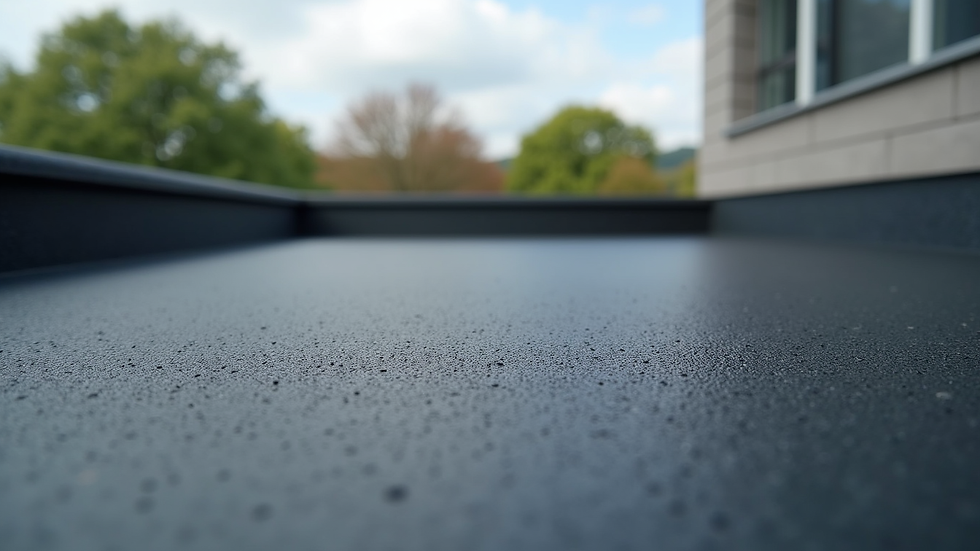
What is the Best Material for a Flat Roof in the UK?
Choosing the best material for a flat roof in the UK depends on several factors including climate, budget, and building use. The UK’s weather can be wet and cold, so waterproofing and durability are critical.
Mastic asphalt is excellent for properties that need a tough, long-lasting roof. Its resistance to water and weather makes it ideal for commercial buildings and high-traffic areas. It also copes well with temperature changes, which is important in the UK climate.
Felt roofing is a good choice for smaller projects or where budget constraints exist. It offers flexibility and ease of repair, which can be useful for residential properties or temporary solutions.
In my experience, if you want a roofing material that combines durability with minimal maintenance, mastic asphalt is often the best option. However, felt roofing remains a practical and cost-effective choice for many flat roofs.
Installation Process and Practical Tips
Understanding the installation process can help you plan your roofing project better. Here’s a brief overview of how each material is applied:
Mastic Asphalt Installation
Preparation: The roof surface must be clean, dry, and free of debris.
Primer Application: A primer coat is applied to improve adhesion.
Heating: The mastic asphalt is heated to a molten state.
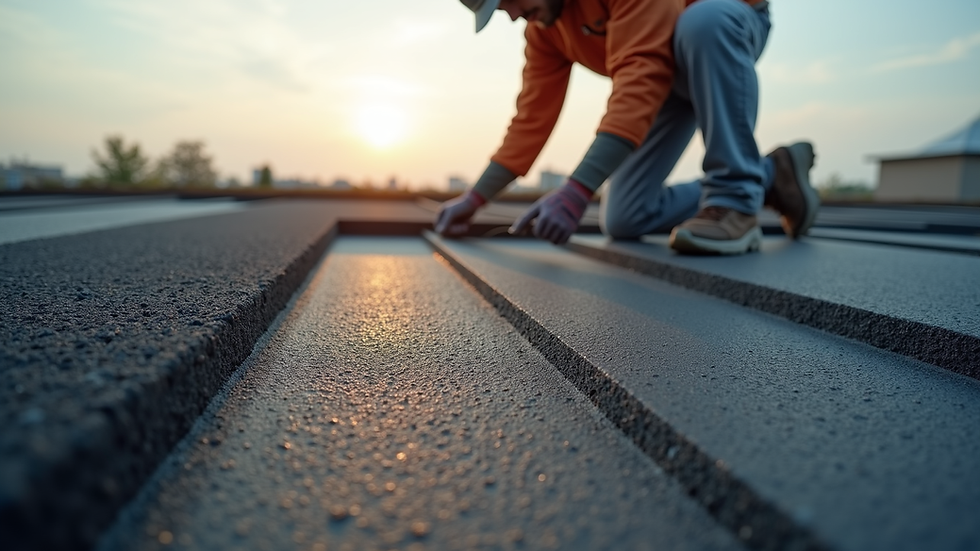
Application: The hot asphalt is poured and spread evenly using trowels.
Layering: Multiple layers may be applied for thickness and strength.
Cooling: The surface cools to form a hard, seamless finish.
Felt Roofing Installation
Preparation: The roof deck is cleaned and primed.
Laying Felt Sheets: Bitumen-saturated felt sheets are rolled out.
Bonding: Hot bitumen or adhesive is applied to bond the sheets.
Overlapping: Sheets overlap to ensure waterproofing.
Sealing: Edges and joints are sealed to prevent leaks.
Practical tips:
Always hire experienced professionals for mastic asphalt installation due to the heating process.
For felt roofing, ensure proper overlap and sealing to avoid water ingress.
Schedule regular inspections, especially after harsh weather.
Consider adding insulation beneath the roofing material for energy efficiency.

Maintenance and Longevity
Maintenance plays a big role in how long your roof lasts. Here’s what you need to know:
Mastic Asphalt: Requires minimal maintenance. Check for cracks or blisters every few years. Prompt repairs can extend its life significantly.
Felt Roofing: Needs more frequent inspections. Look for tears, bubbles, or loose edges. Small repairs are common and should be done quickly to prevent leaks.
Both materials benefit from keeping gutters and drainage clear to avoid water pooling. Regular cleaning of debris and moss will also help maintain the roof’s condition.
Making the Right Choice for Your Property
When deciding between mastic asphalt and felt roofing, consider your property’s specific needs:
If you want a long-lasting, low-maintenance roof and are willing to invest upfront, mastic asphalt is a strong candidate.
If you need a cost-effective, flexible solution that is easier to install and repair, felt roofing might be better.
Think about the building’s use, budget, and how long you plan to keep the roof.
Weather exposure and local climate conditions should also influence your choice.
For those still weighing options, I recommend checking out this detailed mastic asphalt vs felt roofing comparison for more insights.
Final Thoughts on Roofing Material Selection
Choosing the right roofing material is crucial for protecting your property and managing costs over time. Both mastic asphalt and felt roofing have their place in flat roof construction. By understanding their differences, installation needs, and maintenance requirements, you can make an informed decision that suits your building and budget.
Remember, investing in quality materials and professional installation pays off in the long run. Keep your roof in good shape with regular checks and timely repairs. This approach will help you avoid costly problems and ensure your property stays dry and secure for years to come.


Comments