


Is Asphalt Balcony Waterproofing Safe for Flats And Apartments UK?

Are you worried about water damage on your flat or apartment balcony? You’re not alone.

Moisture issues can lead to expensive repairs. They can also damage the appearance and safety of your outdoor area. Many homeowners and property managers in the UK are choosing asphalt balcony waterproofing. But is it really safe for your home?
Learn the truth about asphalt waterproofing. You'll see how it works, its benefits, and what to watch for. Keep reading to find out if this solution is the right choice to protect your balcony and give you peace of mind.
Asphalt Balcony Waterproofing Basics
Asphalt balcony waterproofing is a common choice for flats and apartments in the UK. It prevents water damage that can lead to leaks and structural issues. Understanding asphalt balcony waterproofing helps explain why many property owners trust it. This section shows what asphalt waterproofing is. It explains how it is used in homes, especially in flats and apartments.

What is Asphalt Waterproofing?
Asphalt waterproofing is a process where a layer of asphalt material is applied to surfaces to stop water from passing through. Asphalt is a sticky, black substance made from bitumen, a by-product of petroleum. It forms a strong, flexible, and waterproof barrier.
The main features of asphalt waterproofing include:
Durability: Resistant to weather changes and wear.
Flexibility: Moves with surface expansion and contraction.
Waterproofing: Creates a tight seal against water penetration.
Cost-effectiveness: Often cheaper than other waterproofing materials.
Applying asphalt involves heating it until it melts, then spreading it evenly on the balcony surface. It cools down to form a solid, watertight layer. Sometimes, multiple layers are added for stronger protection.
Feature | Description |
Material | Bitumen-based asphalt |
Application | Heated and applied as a liquid, then solidifies |
Waterproof | Yes, prevents water penetration |
Durability | Long-lasting, weather-resistant |
Flexibility | Adapts to surface movement |

Common uses in Flats and Apartments.
Asphalt waterproofing suits many parts of flats and apartments, especially balconies. Balconies face constant exposure to rain, frost, and temperature changes. Without good waterproofing, water seeps inside, causing damage to ceilings and walls below.
Typical applications of asphalt waterproofing in flats and apartments include:
Balcony floors: Creates a water-resistant barrier on concrete or masonry surfaces.
Roof terraces: Protect flat roofs used as outdoor spaces.
Planter boxes: Stop water leakage around built-in garden areas.
Parapet walls: Seal edges and joints where water can enter.
Benefits of using asphalt waterproofing in residential buildings:
Stops water damage and dampness inside flats.
Extends the life of balcony structures.
Reduces maintenance costs over time.
Works well with other building materials like concrete and brick.
In summary, asphalt waterproofing is a trusted method in the UK for keeping flats and apartments dry and safe from water damage. Its strong, flexible barrier suits many outdoor areas exposed to weather.
Safety Aspects of Asphalt Waterproofing
Asphalt balcony waterproofing is a common option for flats and apartments in the UK. Its ability to protect structures from water damage makes it very useful. Understanding asphalt waterproofing safety helps residents and property managers make smarter choices. This section covers key safety concerns, focusing on health risks and environmental impact. Both are important for safe and responsible use of asphalt waterproofing materials.
Health Risks For Residents
Asphalt waterproofing involves using bitumen-based products. These products emit fumes during application, which can affect residents' health. Short-term exposure may cause headaches, dizziness, or eye irritation. Long-term exposure to some chemicals in asphalt can pose more serious health risks.
Key health concerns include:
Fumes and odours: Strong smells during application can irritate eyes and the respiratory system.
Skin contact: Direct contact with wet asphalt can cause skin burns or allergic reactions.
Indoor air quality: Poor ventilation can trap harmful vapours inside flats.
Precautions reduce these risks:
Apply waterproofing only when balconies are empty.
Use protective gear like masks and gloves for workers.
Ensure good ventilation during and after application.
Avoid staying near the balcony until fumes disappear.
Risk | Effect | Prevention |
Fumes | Eye and throat irritation | Ventilate area well, avoid presence |
Skin contact | Burns, allergic reaction | Wear gloves, avoid direct contact |
Indoor air pollution | Breathing difficulty, headaches | Apply outdoors, air out rooms |
Environmental Impact
Asphalt waterproofing can affect the environment if not managed carefully. Bitumen is a petroleum product that may release harmful substances. These substances can pollute air, soil, and water near flats and apartments.
Main environmental concerns include:
Air pollution: Volatile organic compounds (VOCs) evaporate during application.
Water contamination: Rain can wash chemicals into drainage systems.
Waste disposal: Leftover asphalt and containers need proper disposal to avoid harm.
Steps to reduce environmental harm:
Use low-VOC or environmentally friendly asphalt products.
Apply waterproofing during dry weather to avoid runoff.
Collect and dispose of waste materials according to UK regulations.
Monitor drainage systems to prevent pollution.
Durability and Performance in the UK Climate
Asphalt balcony waterproofing is a common option for flats and apartments in the UK. Its ability to protect structures from water damage is well-regarded. It's important to know how durable and effective this material is in the UK climate. The UK faces frequent rain, cold winters, and occasional heat in summer. These conditions test the strength of waterproofing materials. Asphalt offers a robust solution that can handle these challenges well. Asphalt waterproofing is durable and performs well. This makes it a safe choice for balconies in residential buildings.

Resistance To Weather Conditions
Asphalt waterproofing stands out for its excellent resistance to the UK's variable weather. It forms a strong, flexible barrier that blocks water from seeping into the balcony structure. This helps prevent leaks and damp patches inside flats. Asphalt can also expand and contract with temperature changes without cracking. This flexibility is crucial during cold winters and warm summers.
Waterproof Barrier: Completely stops rainwater penetration.
UV Resistance: Protects against sun damage and fading.
Freeze-Thaw Durability: Withstands freezing winters without breaking down.
Wind Resistance: Adheres firmly, resisting strong winds.
Longevity and Maintenance
Asphalt waterproofing offers long-lasting protection with proper care. Its lifespan can reach 15 to 20 years on balconies. Regular checks and simple maintenance extend this period significantly.
Maintenance tips include:
Remove debris and leaves from the balcony surface.
Check for cracks or damage yearly.
Reapply sealant every 5 to 7 years to maintain waterproofing.
Ensure drainage systems are clear to avoid water pooling.
These steps keep the asphalt layer strong and effective. Minor repairs are easy and cost-effective, preventing bigger issues later.
Here is a quick look at typical lifespan and maintenance intervals:
Aspect | Typical Duration | Recommended Action |
Initial Asphalt Layer | 15-20 years | Inspect annually for damage |
Sealant Reapplication | Every 5-7 years | Apply new sealant layer |
Minor Repairs | As needed | Fill cracks and patch holes |
Overall, asphalt waterproofing requires minimal maintenance and delivers strong performance over time. This makes it a reliable choice for flat balconies in the UK.
Regulations and Standards in the UK
For safe and lasting asphalt balcony waterproofing in UK flats, follow the rules and standards. These rules prevent water damage, maintain structural integrity, and ensure resident safety. Understanding key regulations helps property owners and contractors choose the best waterproofing methods and materials for balconies.

Building Codes For Waterproofing
The UK follows detailed building codes that set minimum requirements for waterproofing in residential buildings, including flats and apartments. These codes ensure balconies remain water-tight and prevent leaks that can cause damage.
Key building code points for balcony waterproofing:
Waterproofing systems must comply with the Building Regulations Part C, focusing on resistance to moisture.
Balconies should have a continuous waterproof layer to avoid water ingress into the structure.
Drainage systems must be designed to carry water away efficiently to prevent pooling.
Materials used must be durable and suitable for external exposure.
Installation should follow manufacturer guidelines and best practices to maintain warranty and safety.
Approved Materials and Practices
UK regulations specify which materials and methods are safe and effective for balcony waterproofing. Asphalt is popular but it must meet strict standards to qualify as safe for flats and apartments.
Approved materials often include:
Bitumen-based waterproof membranes with added polymers for flexibility.
Liquid-applied waterproof coatings that seal joints and cracks.
Protective layers like geotextile fabrics to increase durability.
Proper surface primers to improve adhesion of waterproof layers.
Recommended practices for asphalt balcony waterproofing:
Prepare the surface by cleaning and repairing cracks.
Apply primer to ensure strong bonding.
Install the asphalt membrane in layers, ensuring full coverage.
Seal edges and joints carefully to prevent water ingress.
Finish with a protective layer to shield from UV damage.
Regular inspections and maintenance to detect early signs of wear.
Compliance with these practices ensures the waterproofing is both effective and safe. Products used must hold certifications such as BBA (British Board of Agrément) approval. This guarantees they meet UK quality and safety standards.
Choosing the right materials and applying them correctly protects balconies from water damage and prolongs the building’s lifespan.
Alternatives to Asphalt Waterproofing
Asphalt balcony waterproofing is common in flats and apartments across the UK. It provides a strong barrier against water but may not suit every building type or budget. Many property owners look for alternatives to asphalt waterproofing. They want options that are safer, last longer, or are easier to maintain. These options provide more flexibility, faster application, and a smaller environmental impact. Exploring these alternatives helps make an informed choice for balcony protection.
Liquid Membranes
Liquid membranes are a popular alternative to asphalt waterproofing for balconies. They come in a liquid form and are applied with a brush, roller, or spray. Once dry, they create a seamless, flexible waterproof layer. This flexibility helps prevent cracks caused by building movement or temperature changes.
Advantages of liquid membranes include:
Easy to apply on irregular shapes and corners.
Quick drying time allows faster project completion.
Good resistance to UV rays and weather changes.
Environmentally friendly with low VOC content.
Compatible with many surfaces like concrete, wood, and metal.
Here is a comparison table showing key features:
Feature | Liquid Membranes | Asphalt |
Application | Brush, roller, spray | Hot applied or cold applied sheets |
Flexibility | High | Low to medium |
Drying Time | Hours to a day | Longer, requires cooling |
Environmental Impact | Low VOC, safer | Higher VOC, more fumes |
Liquid membranes offer a safe and efficient waterproofing choice for balconies in flats and apartments.
EPDM and Other Options
EPDM (Ethylene Propylene Diene Monomer) is a synthetic rubber material that works well for balcony waterproofing. It comes in large sheets and is laid over the surface to form a durable, waterproof barrier. EPDM is known for its excellent weather resistance and long lifespan.
Other alternatives include:
Thermoplastic Polyolefin (TPO): Lightweight and reflective, reducing heat build-up.
PVC Membranes: Strong and resistant to chemicals and punctures.
Cementitious Coatings: Cement-based layers for easy application and good adhesion.
Benefits of EPDM and similar membranes:
Highly elastic and able to handle building movement.
UV and ozone resistant, perfect for exposed balconies.
Low maintenance with a service life of 20-30 years.
Can be installed quickly with minimal disruption.
Here is a quick overview of EPDM and related options:
Material | Durability | Installation | Cost |
EPDM | 20-30 years | Adhered or mechanically fixed sheets | Moderate |
TPO | 15-25 years | Heat-welded seams | Moderate |
PVC | 20-25 years | Heat-welded seams | Higher |
Cementitious Coatings | 5-10 years | Brush or trowel applied | Low |
EPDM and other membrane options provide safe, flexible, and long-lasting waterproofing for apartment balconies.
Cost considerations for Flats and Apartments.
When looking at asphalt balcony waterproofing for flats and apartments in the UK, it's important to know the costs. Cost plays a big role in deciding if this method fits your budget and needs. Flats and apartments usually share balconies. This means costs impact several residents or the building owner. Knowing the costs helps plan the right solution without surprises.
Initial Installation Costs
The first cost to consider is the initial installation of asphalt waterproofing on balconies. This includes materials, labour, and any preparation work needed before applying the asphalt layer.
Factors affecting the initial cost:
Balcony size: Larger balconies need more materials and time.
Condition of the surface: Repairing cracks or cleaning the surface adds to the cost.
Labour rates: Prices vary across the UK depending on location and contractor.
Type of asphalt: Some mixes are more expensive but last longer.
Here is a simple cost breakdown:
Cost Element | Estimated Cost (£) | Details |
Surface Preparation | 150-300 | Cleaning, repairs, priming |
Materials | 200-400 | Asphalt mix and sealants |
Labour | 300-600 | Installation work per balcony |
Total | 650-1300 | Average cost per balcony |
Choosing a reliable contractor may cost more upfront but ensures quality work. Poor installation can cause leaks and damage, leading to higher costs later. Flats and apartments benefit from planned budgets. This helps avoid unexpected expenses for all residents.
Long-term Savings and Repairs
Asphalt waterproofing can save money over time. It protects balconies from water damage, which reduces the need for major repairs. This protection is especially important in the UK's wet climate.
Benefits of long-term savings:
Durability: Asphalt lasts many years with proper care.
Less frequent repairs: Well-installed waterproofing stops leaks early.
Lower maintenance costs: Simple cleaning and inspections keep it effective.
Compare costs over 10 years:
Cost Type | Asphalt Waterproofing (£) | Other Methods (£) |
Initial Installation | 1000 | 1200 |
Repairs & Maintenance | 200 | 600 |
Total Over 10 Years | 1200 | 1800 |
Regular inspections help catch small issues early. This keeps repair costs low. Flats and apartments with shared balconies benefit most by preventing water damage. It protects the building’s structure and residents’ properties.
Proper waterproofing also adds value to flats. Buyers prefer homes with less risk of damp and damage. Investing in asphalt waterproofing is smart. It cuts future costs and protects the property’s condition.
Reach out to our team for support or inquiries about Is Asphalt Balcony Waterproofing Safe for Flats and Apartments in the UK?

Asphalt balcony waterproofing helps keep flats and apartments dry and safe in the UK. It stops water leaks and protects balconies from rain and cold weather.
At Elite Asphalt Services, we use strong asphalt materials that work well in the UK weather. When done properly, it lasts a long time and needs little care.
If your balcony is leaking or needs protection, contact Elite Asphalt Services today. We’re happy to help keep your balcony dry and secure.
All You Need to Know
Is Asphalt Balcony Waterproofing Suitable for the UK Flats?
Yes, asphalt waterproofing is suitable for UK flats. It provides a durable, weather-resistant barrier that protects balconies from water damage and leaks.
How Long Does Asphalt Waterproofing Last on Balconies?
Asphalt waterproofing can last 15 -25 years with proper maintenance. Its longevity depends on weather exposure and the quality of the application.
Is Asphalt Waterproofing Safe For Apartment Balconies?
Asphalt waterproofing is safe for apartments when professionally applied. It prevents water ingress, reducing structural damage and mould risks.
Can Asphalt Waterproofing Withstand UK Weather Conditions?
Yes, asphalt waterproofing is designed to withstand UK rain, frost, and temperature changes, making it ideal for balcony protection.
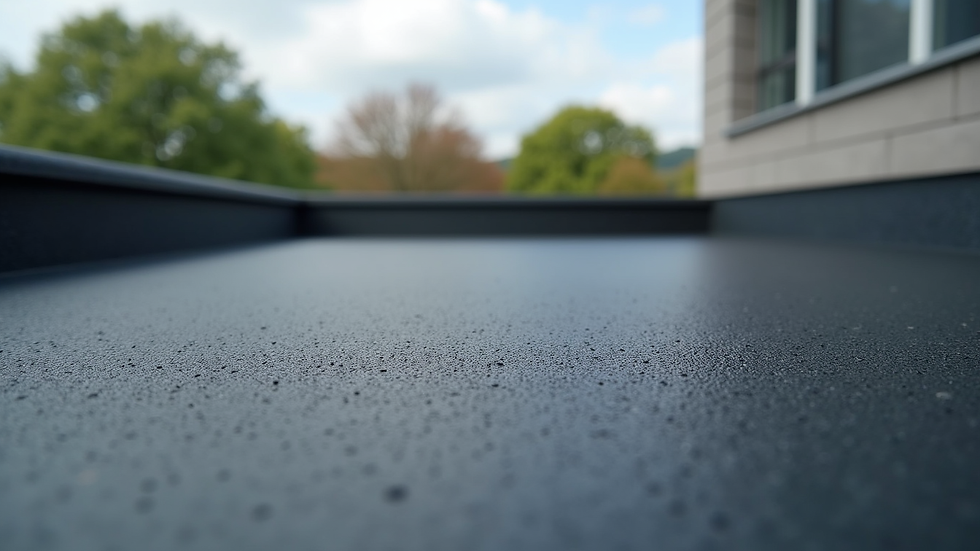

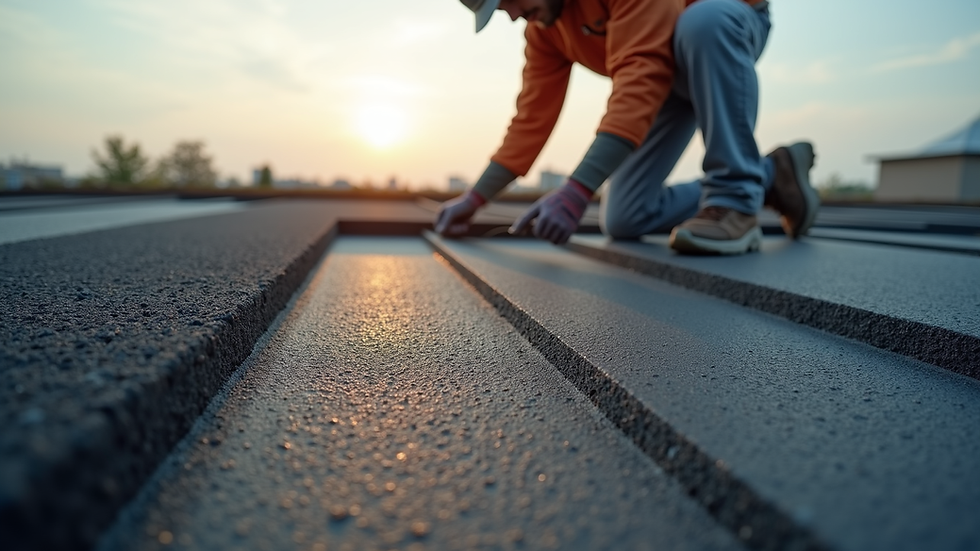
Asphalt balcony waterproofing is a reliable and safe option for flats and apartments in the UK. It provides a durable, weather-resistant layer that protects against water damage and extends the lifespan of the structure. Properly https://www.afp.gov.au/news-centre/media-release/bitcoin-beachside-mansion-and-mercedes-benz-qld-man-forfeits-more-45 applied, it ensures a seamless finish that prevents leaks and reduces maintenance needs over time. This method is particularly effective in the UK’s variable climate, offering peace of mind for property owners and residents. With professional installation, it’s a practical and long-lasting solution for balcony protection.
For safe and durable asphalt balcony waterproofing in UK flats, it’s essential to adhere to the proper rules and standards. These guidelines are in place to prevent water damage, protect the structural integrity of the https://vy1mm9zqiqw.typeform.com/to/zXBZlafM building, and ensure the safety of residents. By understanding these key regulations, property owners and contractors can make informed decisions about the best waterproofing methods and materials to use. This attention to detail and commitment to quality reminds me of Thunderpick, where the focus is on delivering experiences that are reliable, efficient, and built to last.
Moisture problems can result in costly repairs and compromise both the appearance and safety of your outdoor spaces. For many homeowners and property managers in the UK, asphalt balcony waterproofing https://allmylinks.com/7bitaus has become a popular solution to tackle these issues. But is it truly the right choice for your home? Much like the experience, it’s all about weighing the options, understanding the benefits, and ensuring the solution aligns with your needs.