


Is Asphalt Roofing Good for UK Weather?

When it comes to protecting your home, choosing the right roofing material is a big decision. You might be wondering if asphalt roofing can handle the unique challenges of UK weather.
After all, your roof needs to stand strong against rain, wind, and even occasional frost. You’ll discover how asphalt roofing performs in the UK climate, its benefits, and what to watch out for. Keep reading to find out if asphalt is the smart choice for your home’s protection and peace of mind.
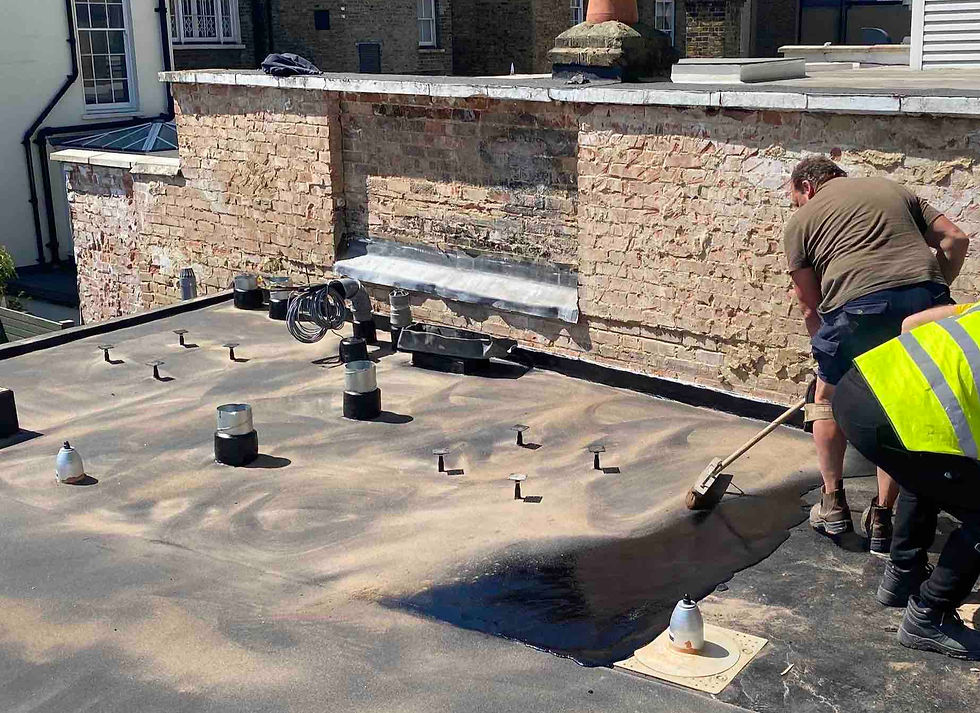
Asphalt Roofing Basics
Asphalt roofing is common in many homes. It is popular because it is simple and cost-effective. Many wonder if asphalt roofing works well in the UK weather. The UK has wet, cold, and windy conditions. Asphalt roofing basics help understand its use and benefits. This roofing type lasts long and handles many weather changes. It is important to know what asphalt roofing is made of and its common types. This knowledge helps decide if it suits your home.
Material Composition
Asphalt roofing mainly consists of a few key materials. The base is usually fibreglass or organic felt. This base gives strength and support to the roof. On top of the base, there is a layer of asphalt. The asphalt acts as a waterproof barrier. It stops water from getting inside the house. Small mineral granules cover the asphalt layer. These granules protect the roof from sunlight and weather damage. They also add colour and texture to the roof surface.
Main materials in asphalt roofing:
Fibreglass or organic felt base: Provides strength and shape.
Asphalt layer: Waterproofs and protects the roof.
Mineral granules: Shield the roof from sun and weather.
The combination of these materials makes asphalt roofing strong and durable. The materials work well against rain, wind, and cold typical in the UK. The mineral granules also help with heat resistance during sunny days. Asphalt roofing material is easy to install and maintain. It offers good protection without being too heavy or expensive.
Common Types
There are two main types of asphalt roofing shingles. These are known as three-tab shingles and architectural shingles. Both types use the same materials but differ in design and durability.
Three-tab shingles: These are flat and thin. They have a uniform shape and size. They are lighter and cheaper than other types. Three-tab shingles are simple but less durable.
Architectural shingles: These are thicker and have a layered look. They look more natural and add depth to the roof. Architectural shingles last longer and resist wind better.
Here is a comparison table for these types:
Feature | Three-tab Shingles | Architectural Shingles |
Appearance~ | Flat and uniform | Layered and textured |
Durability | Good | Better |
Cost | Lower | Higher |
Wind Resistance | Moderate | High |
Weight | Lighter | Heavier |
Both types are common in the UK. Choosing depends on budget, style, and roof condition. Architectural shingles are often chosen for longer life and better look. Three-tab shingles suit simpler roofs and lower costs. Both handle UK weather, but architectural shingles offer stronger protection.
UK Weather Characteristics
Asphalt roofing is a popular choice for many homes in the UK. The weather here can be quite different from other places. It often rains, the temperature can change a lot, and the wind can be strong. These weather conditions affect the roofing materials used on houses. Understanding the UK weather helps to know if asphalt roofing fits well. This page explains key UK weather traits and how asphalt roofing holds up under them.

Rainfall Patterns
The UK is known for its frequent rain. Rainfall happens almost all year. Some parts get more rain than others. The west and northwest usually see the most rain. The southeast tends to be drier. Rain can last minutes or hours, sometimes days. This causes roofs to stay wet for a long time. Good roofing must stop water from leaking inside the house.
Important points about rainfall in the UK:
Average annual rainfall ranges from 600 mm to 3000 mm.
Rain is spread across many days, not just heavy storms.
Persistent dampness can cause damage to weak roofing materials.
Region | Average Annual Rainfall (mm) | Rainy Days per Year |
South East England | 600 - 800 | 100 - 120 |
North West England | 1500 - 3000 | 150 - 200 |
Scotland (West Coast) | 2000 - 3000 | 160 - 210 |
Temperature Fluctuations
The UK has mild but changeable temperatures. Winters are cold but not extreme. Summers are warm but rarely hot. Temperatures can go below freezing in winter. They can rise to around 30°C in summer. These changes cause materials to expand and shrink. Roofing materials must handle this without cracking or warping.
Key facts about UK temperature changes:
Winter temperatures often fall between 0°C and 7°C.
Summer temperatures typically range from 15°C to 25°C.
Frost and thaw cycles happen often in winter months.
Thermal movement can weaken some roofing materials over time.
Asphalt roofing is flexible. It copes well with small expansions and contractions. This helps it last longer in UK conditions.
Wind Conditions
Wind in the UK can be strong, especially near coasts. Storms bring high winds that can damage weak roofs. Wind pressure lifts or loosens roofing materials. Roofs must be firmly fixed to resist wind damage. Good roofing systems reduce the risk of leaks and loose shingles.
Wind facts important for roofing:
Average wind speeds range from 10 to 30 mph in many areas.
Storms can cause gusts over 60 mph.
Coastal areas face stronger winds than inland.
Proper installation helps asphalt shingles stay secure.
Asphalt roofing nails and adhesives are designed to hold well. This makes asphalt roofing a strong choice for windy UK areas.
Durability In Wet Conditions
Asphalt roofing is a popular choice for many homes in the UK. The weather here is often wet and cold, which can be tough on roofs. Asphalt shingles are known for their ability to handle such conditions well. They offer strong protection against rain and dampness. This makes them a good option for UK homes that need a roof to last through wet weather. Understanding how asphalt performs in wet conditions helps homeowners choose the right roof.

Water Resistance
Asphalt roofing is made with layers that stop water from getting inside. The top layer has small stones or granules that protect the roof from rain and snow. These granules also help water to slide off quickly. This prevents water from staying on the roof too long, which can cause damage.
Key features of asphalt roofing for water resistance:
Waterproof backing: Stops water from passing through the roof.
Granule surface: Protects against rain and sun damage.
Proper installation: Ensures shingles overlap to block water.
Here is a simple comparison of water resistance for different roofing types:
Roof Type | Water Resistance | Suitability for Wet UK Climate |
Asphalt Shingles | High | Very Suitable |
Clay Tiles | Medium | Moderate |
Wood Shingles | Low | Less Suitable |
Mould and Algae Growth
Wet weather can cause mould and algae to grow on roofs. These organisms can make the roof look dirty and cause damage over time. Asphalt roofing is designed to resist mould and algae better than many other materials. The granules on the shingles often contain special chemicals to stop growth.
Ways asphalt roofing helps prevent mould and algae:
Algae-resistant granules: Reduce dark streaks and spots.
Quick drying: Granules help water evaporate fast.
Good ventilation: Helps keep the roof dry inside.
Regular cleaning and checks can keep the roof in good shape. Removing leaves and debris stops moisture buildup. This lowers the chance of mould and algae growth.
Performance In Cold And Heat
Asphalt roofing is a popular choice for many homes in the UK. It is known for being strong and affordable. The UK weather changes a lot, with cold winters and warm summers. This roofing material must handle both cold and heat well to protect homes. Knowing how asphalt works in these conditions helps. Homeowners can then see if it fits their needs.

Frost Resistance
Asphalt roofing has good resistance to frost. It can handle freezing temperatures without cracking easily. This is important in the UK, where winters can be cold and frosty. The surface of asphalt shingles is made to stay flexible, so it does not break when frozen.
Here are some key points about frost resistance:
Flexible material: Asphalt remains bendable in cold weather.
Waterproof layer: It prevents water from entering the roof and freezing inside.
Durability: Lasts many years even with repeated freezing and thawing cycles.
Maintenance: Regular checks help catch any frost damage early.
Frost can cause problems like ice dams, but asphalt roofing helps reduce this risk. Its design allows snow to melt slowly, preventing large ice build-ups. This lowers the chance of leaks and roof damage.
Heat Absorption
Asphalt roofing absorbs heat from the sun during warm days. This can make the roof surface hot. In the UK, summers are usually mild, but heat absorption still matters. Too much heat can affect the roof's life and the home's cooling needs.
Choosing lighter asphalt shingles and good roof ventilation helps keep homes cooler. This is a simple way to reduce heat absorption and protect the roof over time.
Maintenance Needs
Asphalt roofing is common in the UK because it handles weather well. The UK has rain, wind, and cold winters. Asphalt shingles can protect homes from these conditions. They are strong and last for many years if cared for properly. Maintenance is important to keep the roof safe and working. Checking the roof often helps find problems early. Fixing small issues prevents bigger damage. Understanding maintenance needs helps homeowners keep their roofs in good shape.
Inspection Frequency
Regular inspection is key to a healthy asphalt roof. Checking the roof twice a year is best. Spring and autumn are good times. After strong storms, an extra check is smart. Look for missing or broken shingles. Also, check for moss, algae, or debris. These can cause damage over time.
Use this simple checklist during inspection:
Look for loose or cracked shingles
Check for signs of water damage inside the attic
Clear gutters and downspouts
Look for moss or algae growth
Check flashing around chimneys and vents
Regular inspections save money by spotting problems early. It also helps the roof last longer. If unsure about safety, hire a professional roofer for an inspection.

Repair And Replacement
Small repairs keep an asphalt roof strong. Fix missing or damaged shingles quickly. This stops water from entering the home. Repair broken flashing to prevent leaks. Seal any cracks or holes found.
Know when to repair or replace. Minor damage needs repair. But old roofs with many problems might need replacement. Asphalt roofs usually last 20 to 30 years. Age and damage level are key factors.
Regular repairs help avoid big costs later. Replacement is best when damage is too much. Proper care extends roof life and keeps the home dry.
Cost And Installation
Asphalt roofing is a popular choice for homes in the UK. It works well with the UK's weather, which can be wet and cold. This type of roofing is known for being strong and able to protect houses from rain and wind. It also stays in good condition during colder months. Understanding the cost and installation helps decide if asphalt roofing fits your needs.
Initial Investment
The initial cost of asphalt roofing depends on several factors. These include the size of the roof, the type of asphalt shingles, and the quality of materials. Asphalt shingles come in different grades, which affect the price.
Basic asphalt shingles are the most affordable option.
Architectural shingles cost more but last longer and look better.
Premium shingles are the most expensive and offer the best durability.
Compared to other roofing types, asphalt roofing is usually less costly upfront. This makes it a good option for many homeowners. The price covers materials and labour for installation.
Type of Asphalt Shingle | Average Cost per Square Meter | Expected Lifespan |
Basic | £20 - £30 | 15 - 20 years |
Architectural | £30 - £45 | 25 - 30 years |
Premium | £45 - £60 | 30+ years |
Some extra costs may include removing old roofing and fixing the roof structure. Planning for these helps avoid surprises in the budget.

Installation Process
Installing asphalt roofing is a step-by-step process. It requires skill and proper tools to ensure the roof lasts long and performs well.
First, the old roofing material must be removed if needed. The roof surface should be clean and dry before starting.
Step 1: Lay down a waterproof underlayment to protect the roof base.
Step 2: Install starter strips along the edges for a secure base.
Step 3: Place asphalt shingles carefully, overlapping each row to keep water out.
Step 4: Secure shingles with nails designed for roofing.
Step 5: Add ridge caps on roof peaks for extra protection.
The whole process usually takes a few days, depending on roof size and weather. Good weather is important to avoid damage during installation.
Professional installers follow safety rules and building codes. This ensures the roof is safe and strong against the UK's weather challenges.
Alternatives For UK Roofs
Asphalt roofing is common in many places, but UK weather poses challenges. The UK has lots of rain, wind, and cold winters. These conditions affect roof materials differently. Some roofs last longer and protect homes better. Choosing the right roof is important for safety and comfort. This guide looks at alternatives to asphalt roofing in the UK. It explains two popular choices: slate roofing and metal roofing. Each has good and bad points to think about.

Slate Roofing
Slate roofing is made from thin pieces of stone. It is a traditional material used in the UK for centuries. Slate is very strong and can last over 100 years. It is also waterproof, which helps keep water out during heavy rain. Slate tiles do not rot or get damaged by insects.
Some important points about slate roofing:
Durability: Slate can handle strong winds and heavy rain.
Appearance: It gives a classic, elegant look to buildings.
Weight: Slate is heavy and needs strong roof support.
Cost: Slate is usually more expensive than asphalt.
Maintenance: Requires little care but broken tiles need replacing.
Metal Roofing
Metal roofing is growing in popularity for UK homes. It is made from steel, aluminium, or copper sheets. Metal roofs are light and strong. They do not crack or break easily. Metal reflects sunlight, helping keep homes cool in summer. It also sheds rain and snow well.
Key benefits of metal roofing include:
Durability: Metal roofs last 40-70 years.
Weather resistance: Good against rain, wind, and snow.
Weight: Much lighter than slate or tiles.
Maintenance: Needs little care and resists moss or algae.
Installation: Usually quicker and easier to fit.
Metal roofing can come in many styles and colours. This allows homeowners to choose a look that fits their home. It is also recyclable, making it better for the environment.
Below is a summary table for metal roofing:
Feature | Details |
Longevity | 40-70 years |
Weather Resistance | Very good for rain and wind |
Weight | Lightweight |
Cost | Medium |
Maintenance | Low |
Reach out to our team for support or inquiries about Is Asphalt Roofing Good for UK Weather?

Asphalt roofing is a great choice for UK weather. It handles rain, wind, and cold very well. It keeps your home warm and dry, and with good care, it can last for many years. It’s also more affordable than many other roofing options and easy to repair if needed.
At Elite Asphalt Services, we install and repair asphalt roofs across London. We make sure your roof is strong, safe, and built to last.
All You Need to Know
Is Asphalt Roofing Suitable for UK Weather Conditions?
Yes, asphalt roofing is suitable for UK weather. It handles rain, wind, and temperature changes well. Its waterproof nature protects homes from frequent UK rain. Additionally, it resists wind damage, making it a durable option for the UK climate.
How Does Asphalt Roofing Perform In Wet Climates?
Asphalt roofing performs excellently in wet climates like the UK. It has a waterproof surface that prevents leaks. Its design allows water to run off quickly. This minimises water damage and extends the roof’s lifespan in rainy conditions.
Does Asphalt Roofing Withstand Uk Winters Effectively?
Asphalt roofing withstands UK winters effectively by resisting frost and snow damage. It retains flexibility in cold temperatures, preventing cracks. Proper installation ensures it handles freeze-thaw cycles without deterioration, making it reliable for harsh winter weather.
What Maintenance Does Asphalt Roofing Need In The UK?
Asphalt roofing requires minimal maintenance in the UK. Regular inspections for damage and clearing debris keep it in good shape. Occasional moss removal is advised to prevent moisture retention. Proper upkeep extends its durability in the UK climate.
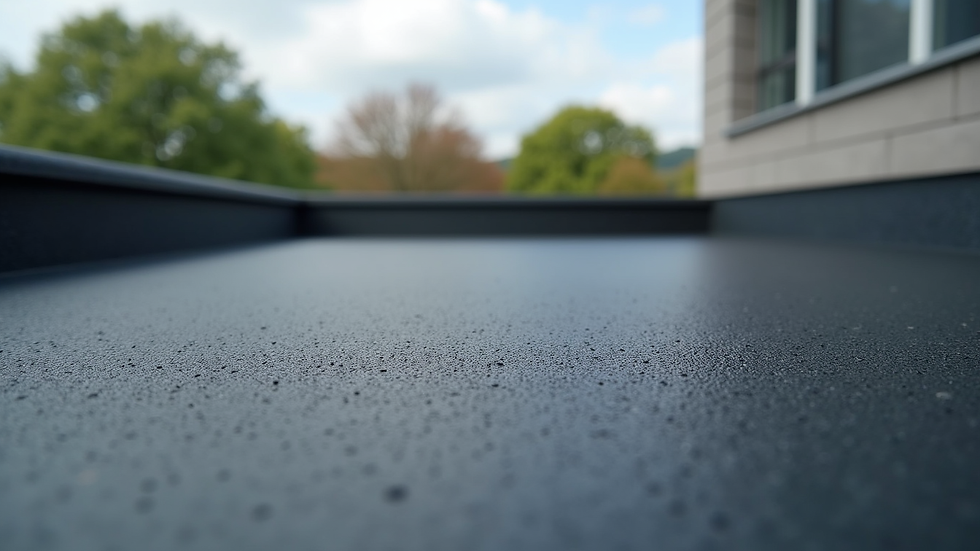

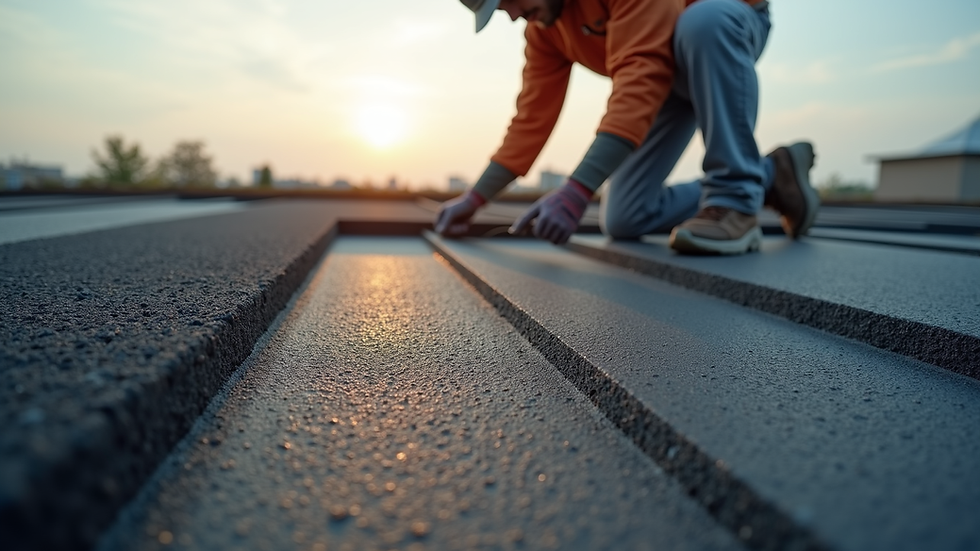
Asphalt roofing is a solid choice for the UK's unpredictable weather, offering durability and resilience against rain, wind, and temperature fluctuations. Its waterproof properties make it ideal for heavy rainfall, while its flexibility helps it withstand seasonal changes without cracking. Additionally, asphalt shingles are cost-effective and relatively easy to install or repair, making them a practical https://www.theage.com.au/ option for homeowners. With proper maintenance, they can last for decades, providing reliable protection and a clean, modern look. For those considering a roofing upgrade, asphalt is worth exploring as a dependable and weather-resistant solution.
After all, your roof needs to stand strong against rain, wind, and even the occasional frost. Asphalt roofing is designed to handle the challenges of the UK climate, offering durability and reliability that homeowners can count on. Much like the experience at Boho, where every detail is thoughtfully https://www.auctionzip.com/CO-Auctioneers/1537168.html crafted, asphalt roofing combines practicality with a touch of sophistication. It’s about finding the perfect balance between function and style, ensuring your home is protected while maintaining its charm. Whether it’s the benefits of longevity or the peace of mind that comes with knowing your roof is built to last, asphalt might just be the smart choice for your home’s protection and comfort.